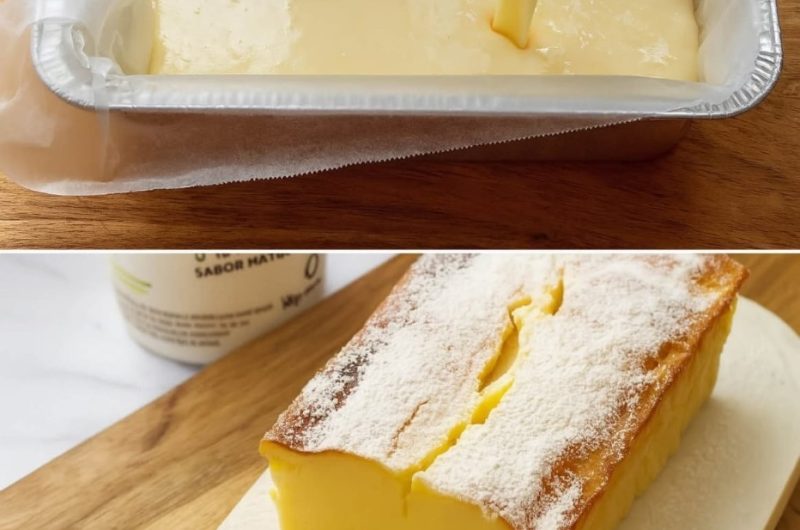
A soft, moist, lightly sweet cake made with Greek yogurt instead of heavy butter or cream. This version is lower in calories while still tasting rich and satisfying. It works well as a breakfast cake, afternoon snack, or light dessert.
Why This Cake Works
Greek yogurt adds:
- Moisture without excessive fat
- Extra protein
- A tender texture
- A slight tang that balances sweetness
Using simple ingredients and moderate sugar keeps the calorie count lower than traditional yogurt cakes while still delivering a fluffy, bakery-style result.
Flavor and Texture
This cake is:
- Soft and moist
- Lightly sweet
- Slightly tangy
- Fluffy but dense enough to feel satisfying
- Perfect with tea or coffee
You can enjoy it plain or customize it with fruit, cinnamon, lemon zest, or chocolate chips.
Estimated Nutrition
Per slice (based on 10 slices):
- Calories: approximately 140–170
- Protein: 7–9g
- Fat: 3–5g
- Carbohydrates: 18–22g
Nutrition varies depending on substitutions and toppings.
Ingredients
Dry Ingredients
- 1 ½ cups all-purpose flour
- 1 teaspoon baking powder
- ½ teaspoon baking soda
- ¼ teaspoon salt
Wet Ingredients
- 1 cup nonfat or low-fat Greek yogurt
- 2 large eggs
- ⅓ cup honey, maple syrup, or granulated sweetener
- ¼ cup milk of choice
- 2 tablespoons light olive oil or melted coconut oil
- 1 teaspoon vanilla extract
Optional Add-Ins
Choose one or combine a few:
- 1 tablespoon lemon zest
- ½ teaspoon cinnamon
- ½ cup blueberries
- ¼ cup mini dark chocolate chips
- 2 tablespoons chopped nuts
Equipment Needed
- Mixing bowls
- Whisk
- Spatula
- 8-inch round cake pan or loaf pan
- Parchment paper
- Oven
Step-by-Step Instructions
Step 1: Prepare the Oven and Pan
Preheat your oven to 175°C (350°F).
Lightly grease your cake pan or line it with parchment paper. This prevents sticking and makes cleanup easier.
Step 2: Mix the Dry Ingredients
In a medium bowl, whisk together:
- Flour
- Baking powder
- Baking soda
- Salt
Mixing these separately helps the cake rise evenly.
Set aside.
Step 3: Combine the Wet Ingredients
In a large bowl, whisk together:
- Greek yogurt
- Eggs
- Sweetener
- Milk
- Oil
- Vanilla extract
Whisk until smooth and creamy.
Do not overmix. You only need a smooth consistency.
Step 4: Combine Wet and Dry Mixtures
Gradually add the dry ingredients into the wet mixture.
Use a spatula or whisk to gently combine.
Important:
Do not overmix the batter. Overmixing develops gluten and can make the cake dense or rubbery.
Stop mixing as soon as no dry flour remains.
Step 5: Add Optional Flavors
Fold in any optional ingredients such as:
- Lemon zest
- Cinnamon
- Blueberries
- Chocolate chips
Keep additions moderate so the cake stays light and balanced.
Step 6: Transfer to the Pan
Pour the batter into the prepared pan.
Spread evenly with a spatula.
Tap the pan lightly on the counter to remove large air bubbles.
Baking Instructions
Bake for 28–35 minutes depending on your oven and pan type.
The cake is ready when:
- The top looks lightly golden
- The center springs back when touched
- A toothpick inserted in the center comes out mostly clean
Avoid overbaking because yogurt cakes dry out quickly if left too long in the oven.
Cooling Instructions
Let the cake cool in the pan for 10 minutes.
Then transfer it to a wire rack.
Cooling fully helps the texture settle and prevents crumbling.
Serving Ideas
Serve the cake:
- Plain
- With fresh berries
- With a dusting of powdered sweetener
- With a spoon of extra Greek yogurt
- With cinnamon and honey
- With sliced bananas
For a healthier dessert, pair it with fruit instead of frosting.
Healthy Variations
Lemon Greek Yogurt Cake
Add:
- 2 tablespoons lemon juice
- 1 tablespoon lemon zest
This version tastes fresh and bright.
Chocolate Greek Yogurt Cake
Replace ¼ cup flour with unsweetened cocoa powder.
Add mini dark chocolate chips for extra richness.
Berry Yogurt Cake
Fold in:
- Blueberries
- Raspberries
- Strawberries
Fresh berries add moisture and natural sweetness.
High-Protein Version
Replace part of the flour with vanilla protein powder.
Example:
- 1 cup flour
- ½ cup protein powder
You may need extra milk because protein powder absorbs moisture.
Tips for the Best Texture
Use Thick Greek Yogurt
Thin yogurt can make the batter watery.
If your yogurt contains excess liquid, stir it first.
Room Temperature Ingredients Matter
Eggs and yogurt mix more evenly when not cold.
This improves texture and baking consistency.
Do Not Overmix
A gentle batter creates a softer cake.
Overmixing is one of the most common mistakes.
Check Early
Every oven is different.
Start checking around the 28-minute mark.
Storage Instructions
Refrigerator
Store in an airtight container for up to 5 days.
Because the cake contains yogurt, refrigeration keeps it fresh longer.
Freezer
Wrap slices individually and freeze for up to 2 months.
Thaw overnight in the refrigerator or at room temperature for about 1 hour.
Common Mistakes to Avoid
Cake Too Dense
Possible causes:
- Overmixing
- Too much flour
- Expired baking powder
Cake Too Dry
Possible causes:
- Overbaking
- Not enough yogurt
- Batter too thick
Cake Sinks in the Middle
Possible causes:
- Oven opened too early
- Underbaking
- Too much liquid
Simple Frosting Option
If you want a light topping, mix:
- ½ cup Greek yogurt
- 1 tablespoon honey
- A few drops vanilla
Spread lightly over the cooled cake.
This keeps the dessert lower in calories than buttercream frosting.
Best Occasions for This Cake
This recipe works well for:
- Breakfast
- Meal prep
- Afternoon tea
- Healthy dessert
- Post-workout snack
- Family gatherings
It is simple enough for everyday baking but versatile enough for special occasions.