Hibiscus and clove drink is a simple homemade beverage that I make when I want something flavorful without using tea or coffee. It needs only a few basic ingredients, and most of the work is simply allowing the hibiscus and cloves to infuse into hot water.
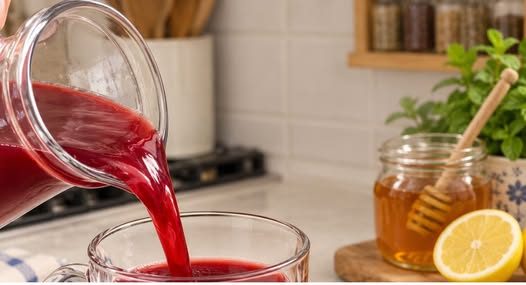
The finished drink has a beautiful deep-red color and a naturally tart flavor from the hibiscus. The cloves add a warm, aromatic taste that makes the drink more interesting without overpowering the hibiscus.
There is no complicated preparation involved. The ingredients go into hot water, simmer gently, and then rest for a few minutes before being strained. Once it is ready, it can be enjoyed warm or cooled and served over its own.
The basic recipe makes about three cups and can be prepared in roughly 20 minutes from start to finish.
What You Need
The recipe uses three main ingredients:
- Dried hibiscus petals
- Whole cloves
- Water
- Honey and fresh lemon juice are optional. They can be added after the drink has been strained, depending on how you like the flavor.
- For the main infusion, I use 2 tablespoons of dried hibiscus petals, 4 to 5 whole cloves, and 3 cups of water.
- The amount of cloves is kept fairly small because cloves have a naturally strong flavor. Using 4 to 5 whole cloves gives the drink their warm aroma while allowing the hibiscus to remain the main flavor.
Preparing the Water
- I start by measuring 3 cups of water and pouring it into a saucepan.
- The water is brought to a boil over the stove. Nothing needs to be added while the water is heating. Once it reaches a proper boil, it is ready for the hibiscus petals and cloves.
- Using hot water helps the dried hibiscus release its color and tart flavor. The cloves also begin releasing their aroma as soon as they are added.
- There is no need to make this step complicated. I simply bring the water to a boil and move on to the infusion.
Adding the Hibiscus and Cloves
Once the water is boiling, I add 2 tablespoons of dried hibiscus petals along with 4 to 5 whole cloves.
The ingredients are stirred gently so that the hibiscus is covered with the hot water.
The color begins to change almost immediately. The water gradually takes on the deep red color that hibiscus is known for, while the cloves add a noticeable warm aroma.
Whole cloves work particularly well for this drink because they are easy to remove later when the mixture is strained. There is no need to crush or grind them.
Letting Everything Simmer
- After adding the hibiscus and cloves, I lower the heat and let the mixture simmer gently for 10 minutes.
- This is where most of the flavor develops. The hibiscus becomes stronger as it infuses into the water, and the cloves add their distinctive spicy fragrance.
- I keep the heat moderate rather than allowing the drink to boil very hard. A gentle simmer is enough to extract the flavor without making the preparation unnecessarily aggressive.
- As the mixture cooks, the color becomes darker and the kitchen starts to smell pleasantly aromatic.
- The hibiscus should remain noticeable throughout the process. Since cloves are quite powerful, keeping them at 4 to 5 whole cloves helps maintain a better balance between the two flavors.
Letting the Drink Rest
- After the 10-minute simmer, I turn off the heat and remove the saucepan from the stove.
- I leave the drink to sit for another 5 minutes.
- This short resting period gives the hibiscus and cloves some additional time to finish infusing. There is no need to continue cooking during these five minutes.
- Once the five minutes are finished, the drink is ready to strain.
Straining the Drink
- I place a fine strainer over a glass, jug, or pitcher and carefully pour the mixture through it.
- The strainer catches the hibiscus petals and whole cloves, leaving behind a smooth, deep-red drink.
- It is worth taking a little care during this step because the liquid is hot. Once everything has been strained, the drink is ready for the optional additions or can simply be served as it is.
- The natural flavor of hibiscus is quite tart, so there is no requirement to sweeten it. If I want a softer flavor, honey can be added at this point.
Adding Honey or Lemon
The recipe includes 1 teaspoon of honey, optional.
- If using honey, I add it after straining while the drink is still warm. This makes it much easier for the honey to dissolve completely.
- Fresh lemon juice is also optional. The recipe does not require a specific amount, so it can be added according to taste.
- Since hibiscus is already naturally tart, lemon will make the drink even more citrusy and sharp. For that reason, I usually add only as much as needed to achieve the flavor I want.
- If the natural tartness of hibiscus is enjoyable on its own, both honey and lemon can simply be left out.
Serving the Drink Warm
- For a warm drink, the process is very simple.
- After straining, the hibiscus and clove infusion can be poured directly into a cup and served while warm.
- The warmth makes the clove aroma especially noticeable. The drink has a gentle spicy character, while the hibiscus gives it a bright, slightly sour taste.
- The basic recipe does not contain caffeinated tea, making it a caffeine-free herbal beverage.
Making a Chilled Version
The same preparation can also be served cold.
- After straining, I allow the drink to cool before transferring it to a covered pitcher or sealed container. It can then be placed in the refrigerator until properly chilled.
- Once cold, it can be poured directly into a glass and served.
- The chilled version tastes slightly different from the warm drink. The tart hibiscus flavor feels particularly refreshing when cold, while the cloves remain in the background with their warm aromatic note.
- If honey is being used, it is best to mix it into the warm strained drink before chilling. Honey dissolves more easily in warm liquid than in cold liquid.
Simple Flavor Additions
- The basic recipe is intentionally simple, but a few optional ingredients can be used when a different flavor is wanted.
- Fresh Ginger
- A slice of fresh ginger can add another layer of warmth and spice. It works naturally with both hibiscus and cloves.
- Ginger is an optional addition rather than part of the basic recipe, so the drink can be prepared without it whenever a simpler flavor is preferred.
- Cinnamon
- A cinnamon stick can give the drink a warm, sweet-spice aroma. It can be added during the simmering stage and removed along with the hibiscus and cloves when the drink is strained.
- Fresh Mint
- Fresh mint gives the drink a cooler and fresher character. It can be especially pleasant when the hibiscus and clove drink is served chilled.
- Orange Juice
- A splash of orange juice can add another citrus note and a little natural sweetness. It can be stirred into the cooled drink when making a cold version.
- These additions are only optional variations. The main recipe remains based on dried hibiscus petals, whole cloves, and water, with honey and lemon available if desired.
How the Drink Tastes
- Hibiscus is the first flavor that stands out. It has a naturally sharp, tart, and slightly sour taste.
- The cloves follow with a warmer and more aromatic flavor. They do not make the drink sweet, but they give the infusion a deeper character.
- When served warm, the clove flavor is more noticeable and gives the drink a cozy quality. When served cold, the hibiscus becomes particularly refreshing.
- Honey can soften the tartness, while lemon can make the citrus side of the drink more pronounced.
- The drink does not need to be sweetened. Leaving out the honey allows the natural hibiscus and clove flavors to remain the focus.
When to Serve It
- This drink is flexible enough to serve at different times of the day.
- It can be enjoyed in the morning as a caffeine-free beverage, served warm or chilled. It can also be served after a meal when a flavorful drink is preferred over a heavily sweetened beverage.
- In the evening, it can be enjoyed as well because the basic recipe does not contain caffeinated tea.
- The choice between warm and cold mostly comes down to preference. Warm preparation highlights the aromatic quality of the cloves, while refrigeration makes the tart hibiscus flavor feel lighter and more refreshing.
Keeping Leftovers
- If the entire three-cup batch is not consumed immediately, I allow the drink to cool and transfer it to a sealed container.
- It should be kept refrigerated.
- The prepared drink can be stored in the refrigerator for up to 2 days, according to this recipe.
- For a cold drink, it can be poured directly from the refrigerator. If a warm serving is preferred, only the amount needed can be gently reheated.
- It is best to keep the drink covered while refrigerated so it stays fresh and does not absorb other refrigerator odors.
A Few Things to Keep in Mind
- Although the preparation is easy, a few small details make a difference.
- First, the listed amount of hibiscus is enough to give the drink its strong color and characteristic tart flavor. Adding considerably more can make the drink unnecessarily sharp.
- The same applies to cloves. They have a strong flavor, so 4 to 5 whole cloves are enough for 3 cups of water.
- The full 10-minute simmer followed by the 5-minute resting period also helps create a consistent infusion.
- Straining the drink properly removes the petals and cloves and leaves a cleaner beverage.
- If honey is being used, adding it after straining while the drink is warm helps it dissolve easily.
- For a cold version, the drink should be cooled before being placed in the refrigerator.
About Regular Consumption
Hibiscus and clove drinks are sometimes included in healthy eating routines because these plants contain naturally occurring compounds. Hibiscus beverages have also been studied in relation to blood pressure, while cloves contain compounds such as eugenol.
However, this homemade drink should be treated as a beverage rather than as medicine. It should not replace prescribed medication, medical treatment, or advice from a healthcare professional.
Anyone with a health condition, anyone taking medication, or anyone who has been advised to monitor blood pressure should speak with a healthcare professional before consuming hibiscus or other herbal drinks regularly.
People with low blood pressure should take particular care and ask a healthcare professional whether regular consumption is suitable for them.
Pregnant or breastfeeding women should also seek professional medical advice before regularly consuming herbal drinks.
A Note About Weight Management
- This drink can be included in a balanced eating routine, but it should not be treated as a weight-loss remedy.
- Weight management is influenced by many factors, including overall diet, physical activity, sleep, and individual health.
- There is no need to rely on hibiscus and clove drink for a particular weight-related result. It can simply be enjoyed as a flavorful homemade beverage.
Warm or Cold?
- The preparation remains almost exactly the same either way.
- For a warm serving, strain the finished infusion and serve it while warm. Honey or lemon can be added according to taste.
- For a cold serving, strain the drink, let it cool, and refrigerate it before serving.
- The warm version brings out more of the aromatic clove flavor. The chilled version makes the tart hibiscus taste more refreshing.
- Either way, the drink is simple to prepare, uses a short ingredient list, and can be adjusted slightly with the optional honey or lemon without changing the basic recipe.
Healthy Hibiscus and Clove Drink Recipe
A simple caffeine-free homemade herbal drink made with dried hibiscus petals, whole cloves, and water. It has a deep-red color, a naturally tart hibiscus flavor, and a warm aromatic note from the cloves. Serve it warm or chill it for a refreshing cold drink.
3
servings5
minutes10
minutes300
kcal1
hour10
minutesIngredients
2 tablespoons dried hibiscus petals
4 to 5 whole cloves
3 cups water
1 teaspoon honey, optional
Fresh lemon juice, optional
Directions
- Add 3 cups of water to a saucepan and bring it to a boil.
- Add the dried hibiscus petals and 4 to 5 whole cloves.
- Reduce the heat and let the mixture simmer gently for 10 minutes.
- Remove the saucepan from the heat and let the drink steep for another 5 minutes.
- Strain the drink into a glass, jug, or pitcher, removing the hibiscus petals and cloves.
- Add 1 teaspoon of honey if you prefer a sweeter drink and stir well.
- Add fresh lemon juice according to taste, if desired.
- Serve warm, or allow the drink to cool and refrigerate it before serving cold.
Notes
- Use dried hibiscus petals intended for herbal tea or infusion.
- Keep the cloves to 4–5 whole cloves, as their flavor is naturally strong.
- honey is optional and can be left out.
- Fresh lemon juice is optional.
Fresh ginger, cinnamon, mint, or orange juice can be used as optional flavor additions.- For a cold drink, cool the strained beverage before refrigerating.
- Store leftovers in a sealed container in the refrigerator for up to 2 days.
- If you have low blood pressure, take medication, have a health condition, or are pregnant or breastfeeding, consult a healthcare professional before consuming herbal drinks regularly.
- This beverage should not be used as a replacement for prescribed medication or professional medical care.
Nutrition Facts
- Calories: 5kcal
- Fat: 0g
- Sodium: 5mg
- Carbohydrates: 1g
- Fiber: 0g
- Sugar: 0g
- Protein: 0g