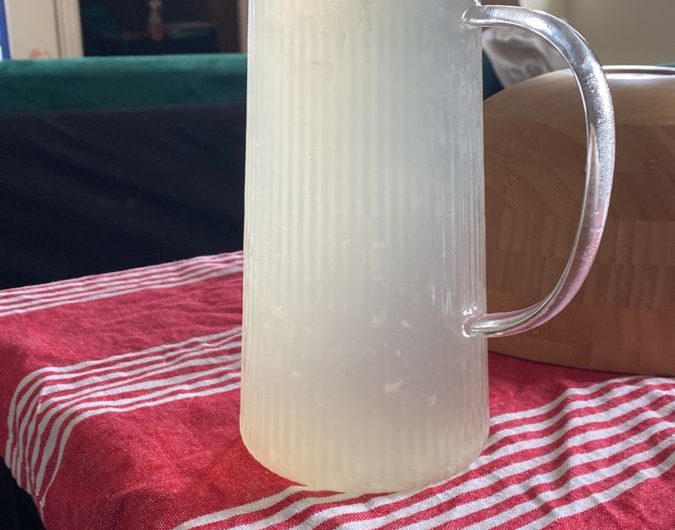
Citronnade is a classic French-style lemonade known for its refreshing citrus flavor, balanced sweetness, and vibrant aroma. Unlike many commercial lemon drinks, homemade citronnade highlights the pure taste of fresh lemons and can be adjusted to suit individual preferences. When prepared with a Thermomix, the process becomes exceptionally easy and efficient, allowing the machine to extract maximum flavor from the lemons while producing a beautifully smooth and refreshing drink.
This detailed recipe explores every aspect of making exceptional Citronnade Thermomix, including ingredient selection, preparation techniques, variations, serving suggestions, storage tips, and professional advice for achieving the perfect balance of sweetness and acidity.
Preparation Time: 15 minutes
Chilling Time: 2 to 4 hours
Total Time: Approximately 2 hours 15 minutes
Yield: About 2 liters
Difficulty Level: Easy
What Is Citronnade?
Citronnade is a traditional French lemon beverage made from fresh lemons, water, and sweetener. It differs from many modern lemonades because it often uses whole lemons, including parts of the peel, which contribute a more complex flavor profile.
The result is a drink that is:
Bright
Refreshing
Lightly sweet
Naturally aromatic
Perfectly balanced
Citronnade can be served at family meals, summer gatherings, picnics, brunches, garden parties, or simply as a refreshing everyday drink.
Ingredients
6 large organic lemons
1.5 liters cold water
120 g granulated sugar
100 g honey (optional alternative)
200 g ice cubes
Fresh mint leaves for serving
Extra lemon slices for garnish
Why Use Organic Lemons?
Because this recipe uses portions of the lemon peel, organic lemons are highly recommended.
Organic lemons typically contain fewer surface treatments and wax coatings.
The peel contributes:
Natural citrus oils
Intense aroma
Complex flavor
Fresh fragrance
Choosing high-quality lemons significantly improves the final drink.
Understanding the Flavor Balance
A successful citronnade depends upon balancing three primary elements:
Acidity
Sweetness
Dilution
Too much lemon creates excessive tartness.
Too much sugar can mask the natural citrus flavor.
Too much water may produce a weak drink.
The proportions in this recipe create a balanced beverage that remains refreshing and flavorful.
Selecting the Best Lemons
Choose lemons that are:
Bright yellow
Heavy for their size
Firm but not hard
Fragrant
Smooth-skinned
Heavy lemons generally contain more juice.
Fresh lemons produce a brighter, cleaner flavor.
Preparing the Lemons
Wash the lemons thoroughly under cool running water.
Use a vegetable brush if necessary.
Pat dry using clean kitchen towels.
Trim both ends from each lemon.
Cut the lemons into quarters.
Remove any visible seeds.
Removing seeds helps prevent bitterness.
The peel should remain attached because it contributes valuable citrus oils and aroma.
Preparing the Thermomix
Ensure the Thermomix bowl is clean and dry.
Gather all ingredients nearby.
Having everything prepared before starting makes the process smoother and more efficient.
Step 1: Processing the Lemons
Place the quartered lemons into the Thermomix bowl.
Add half of the water.
Add the sugar.
Pulse using Turbo mode several times for approximately one second each pulse.
Avoid excessive blending.
Over-processing the peel can release excessive bitterness.
The goal is to crush the lemons sufficiently to release juice and essential oils without pulverizing the peel completely.
Step 2: Adding Remaining Water
Add the remaining water.
Mix gently for a few seconds on low speed.
The liquid should become cloudy and aromatic.
At this stage, the kitchen will fill with the fresh scent of citrus oils.
Step 3: Straining the Citronnade
Place a fine mesh strainer over a large pitcher.
Pour the mixture through the strainer.
Press gently with a spoon to extract additional liquid.
Avoid pressing too aggressively.
Excessive pressure may force bitter peel particles through the strainer.
The resulting citronnade should be smooth, bright, and refreshing.
Step 4: Chilling
Transfer the strained citronnade to the refrigerator.
Allow it to chill for at least two hours.
This resting period allows the flavors to harmonize.
Cold citronnade tastes noticeably smoother and more balanced than freshly mixed citronnade.
Step 5: Final Adjustment
After chilling, taste the citronnade.
Adjust if necessary.
If too tart:
Add a little additional sugar or honey.
If too sweet:
Add extra lemon juice.
If too strong:
Add additional cold water.
Stir thoroughly after any adjustment.
Serving the Citronnade
Fill glasses with ice cubes.
Pour the chilled citronnade over the ice.
Garnish with:
Fresh lemon slices
Mint leaves
Lemon twists
Serve immediately.
The drink should be icy cold and intensely refreshing.
Understanding the Texture
Traditional citronnade is slightly cloudy.
This cloudiness comes from:
Natural fruit pulp
Citrus oils
Fresh juice particles
A cloudy appearance is a sign of freshly made citronnade and contributes to its authentic character.
Honey Citronnade Variation
Replace all or part of the sugar with honey.
Honey provides:
Floral sweetness
Additional depth
Natural complexity
Milder finish
Dissolve the honey completely before chilling.
The resulting drink has a softer and more rounded flavor profile.
Mint Citronnade
Add a handful of fresh mint leaves to the Thermomix bowl before mixing.
The mint infuses the drink with cooling herbal notes.
This variation is particularly refreshing during warm weather.
Sparkling Citronnade
Replace half the water with chilled sparkling water.
Add the sparkling water after straining.
Stir gently.
This creates a light and elegant carbonated beverage.
Orange Citronnade
Add the juice of two oranges.
The orange introduces additional sweetness and complexity.
The result is less tart and more fruit-forward.
Lime Citronnade
Substitute two lemons with limes.
The combination creates a more tropical citrus flavor.
The aroma becomes especially vibrant and refreshing.
Ginger Citronnade
Add:
2 cm fresh ginger
Process with the lemons.
The ginger contributes gentle warmth and subtle spice.
This variation is popular during cooler months.
Strawberry Citronnade
Blend:
250 g fresh strawberries
into the finished citronnade.
Strain if desired.
The strawberries add sweetness and beautiful color.
Raspberry Citronnade
Add fresh raspberries.
Their tart flavor pairs naturally with lemon.
The resulting drink is vibrant and visually appealing.
Peach Citronnade
Blend ripe peaches into the citronnade.
The sweetness of peaches balances the acidity beautifully.
This version is especially popular during summer.
Tropical Citronnade
Add:
Pineapple juice
Mango puree
Passion fruit pulp
These fruits create an exotic and refreshing beverage.
Frozen Citronnade
Freeze portions of citronnade in ice cube trays.
Blend the frozen cubes until slushy.
The result is a frozen lemon drink perfect for hot afternoons.
Citronnade for Gatherings
For parties and celebrations, prepare a larger batch.
Serve in a glass beverage dispenser.
Add:
Floating lemon slices
Fresh mint
Ice cubes
This creates an attractive presentation while keeping the drink cold.
Children’s Version
Children often prefer a slightly sweeter citronnade.
Reduce the lemon quantity slightly.
Increase sweetness modestly.
Serve with colorful fruit garnishes.
The natural flavor is often more appealing than commercial soft drinks.
Nutritional Information
Lemons naturally provide:
Vitamin C
Antioxidants
Potassium
Natural plant compounds
Citronnade contains significantly fewer additives than many commercially produced beverages.
The nutritional value depends upon the amount of sweetener used.
Professional Tips
Use fresh lemons.
Avoid bottled lemon juice.
Wash lemons thoroughly.
Do not over-process the peel.
Strain carefully.
Chill thoroughly before serving.
Taste and adjust after chilling.
Serve very cold.
Use quality water.
Store properly.
Common Mistakes and Solutions
Bitter Flavor
The lemons may have been processed too long.
Use short Turbo pulses only.
Excessive Tartness
Add additional sweetener gradually.
Taste frequently.
Weak Flavor
Use less water or more lemons.
Too Sweet
Balance with fresh lemon juice.
Cloudy Sediment
Natural separation is normal.
Simply stir before serving.
Storage Instructions
Store citronnade in a sealed glass pitcher or bottle.
Keep refrigerated.
Consume within three days for optimal freshness.
Shake or stir before serving because natural ingredients may settle.
Freezing Instructions
Citronnade freezes well.
Pour into freezer-safe containers.
Leave room for expansion.
Freeze for up to three months.
Thaw in the refrigerator before serving.
Frozen citronnade cubes can also be used in sparkling water for a quick citrus drink.
Serving Suggestions
Serve alongside brunch dishes.
Pair with pastries.
Enjoy with grilled foods.
Serve during picnics.
Offer at garden parties.
Pair with fruit platters.
Use as a refreshing afternoon beverage.
Serve during warm-weather gatherings.