Scrambled eggs are one of those recipes that almost everyone learns early in the kitchen, yet they are also one of the easiest dishes to improve with just a few small changes. While they only require a handful of ingredients, the difference between ordinary scrambled eggs and soft, creamy scrambled eggs comes down to technique rather than expensive ingredients. A gentle cooking process, a little patience, and the right timing create eggs that are tender, fluffy, and rich without becoming dry or rubbery.
This homemade version relies on simple pantry staples and careful cooking over low heat. Instead of rushing the process, the eggs are slowly stirred until they develop soft folds and a creamy texture. The result is a breakfast that tastes fresh, comforting, and satisfying whether served on toast, alongside fruit, or as part of a larger morning meal.
One of the best things about this recipe is how uncomplicated it is. There is no need for heavy cream or milk to create a creamy consistency. The eggs naturally become smooth and velvety when they are whisked well and cooked gently. Butter adds richness, while a small amount of water helps create a lighter texture without overpowering the flavor of the eggs.
Whether preparing breakfast for one person or serving the entire family, this recipe can easily be doubled or tripled while maintaining the same cooking method. Once the basic technique becomes familiar, making consistently delicious scrambled eggs becomes second nature.
Why This Recipe Works So Well
- Many people believe scrambled eggs should cook quickly over high heat, but doing so usually causes the proteins in the eggs to tighten too fast. The result is dry, crumbly eggs that lose their natural softness.
- Cooking over low heat changes everything. Slow cooking allows the eggs to gently set while retaining moisture. Instead of breaking into small dry pieces, they form soft, silky folds that melt in every bite.
- Another important detail is whisking the eggs thoroughly before they touch the pan. Proper whisking blends the yolks and whites completely while incorporating a little air. This creates an even texture and helps the eggs cook more uniformly.
- Using butter also contributes to the final texture. As it melts, it lightly coats the pan and adds a rich flavor that complements the eggs without overpowering them.
- The small amount of water in this recipe produces steam while cooking, helping keep the eggs light and delicate. It creates a fluffy texture without changing the clean taste of the eggs.
Ingredients You’ll Need
This recipe proves that great food does not require a long ingredient list. Every ingredient has a specific purpose.
- Eggs
- Fresh eggs are the star of the recipe. Large eggs work perfectly because they provide a balanced ratio of yolk to white, producing a creamy consistency after cooking. Fresh eggs also hold together better and develop smoother curds during cooking.
- Butter
- Butter gives the eggs their rich flavor while preventing sticking. It should melt gently over low heat without browning. Browning changes the flavor and can overpower the delicate taste of the eggs.
- Water
- Instead of adding milk or cream, this recipe uses a tablespoon of water. As the water heats, it produces steam that keeps the eggs soft and airy while allowing their natural flavor to shine.
- Salt
- Only a small pinch of salt is needed. Mixing the salt into the eggs before cooking seasons every bite evenly.
- Black Pepper
- Freshly ground black pepper is optional but adds a gentle warmth that complements the richness of the eggs.
- Fresh Chives
- Fresh chopped chives bring color and a mild onion flavor that brightens the finished dish without overwhelming it.
- Flaky Sea Salt
- A light sprinkle of flaky sea salt at the end provides a pleasant texture and enhances the flavor.
- Toasted Bread
- Toasted wheat or sourdough bread turns these eggs into a complete breakfast. The crisp texture contrasts beautifully with the creamy eggs.
Preparing the Eggs Properly
- Good scrambled eggs begin before the pan is heated.
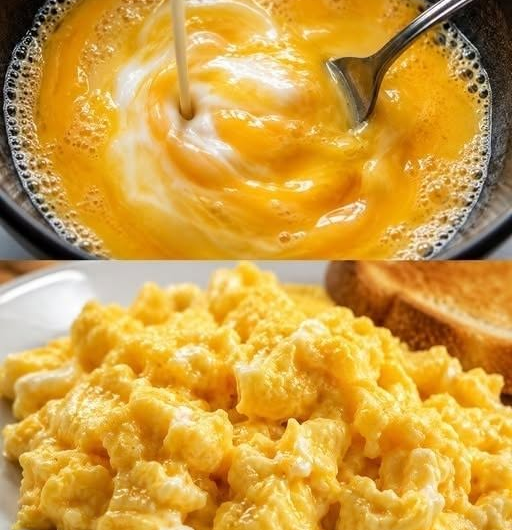
- Crack the eggs into a medium bowl. Add the water along with a pinch of salt. Whisk everything together thoroughly until the mixture becomes completely smooth. Continue whisking until no streaks of egg white remain. The mixture should appear slightly frothy with a uniform golden color.
- Allowing the eggs to rest for a few minutes after whisking can help the seasoning distribute evenly throughout the mixture.
Choosing the Right Pan
- A quality nonstick skillet makes this recipe much easier. Because the eggs cook gently, they release easily from the surface without sticking or tearing.
- The size of the pan also matters. A medium skillet gives the eggs enough room to spread evenly while remaining thick enough to form soft folds.
- Using a silicone spatula instead of a wooden spoon makes stirring easier because it reaches every corner of the pan and gently lifts the eggs as they cook.
The Importance of Low Heat
- The biggest secret behind creamy scrambled eggs is patience.
- High temperatures force the eggs to cook too quickly, leaving little time for soft curds to develop. Instead, place the skillet over low heat and allow the butter to melt slowly.
- The butter should become fully melted without turning brown. Once melted, pour in the whisked eggs.
- For the first few moments, allow the eggs to sit briefly before gently moving them with the spatula.
- Slowly stir the eggs using gentle circular motions. As they begin to thicken, continue stirring steadily. The goal is to create small, delicate curds that gradually combine into larger, creamy folds.
- Because the heat remains low, there is plenty of time to control the texture without rushing.
Knowing Exactly When They’re Done
- One of the most common mistakes is cooking scrambled eggs until they appear completely finished while still on the stove.
- Instead, remove the pan from the heat while the eggs still look slightly glossy and just a little undercooked.
- The remaining heat inside the skillet continues cooking them for another minute. This carryover cooking finishes the eggs gently without drying them out.
- By the time they reach the plate, they will have the perfect creamy consistency.
Texture Makes All the Difference
- Perfect scrambled eggs should never be dry.
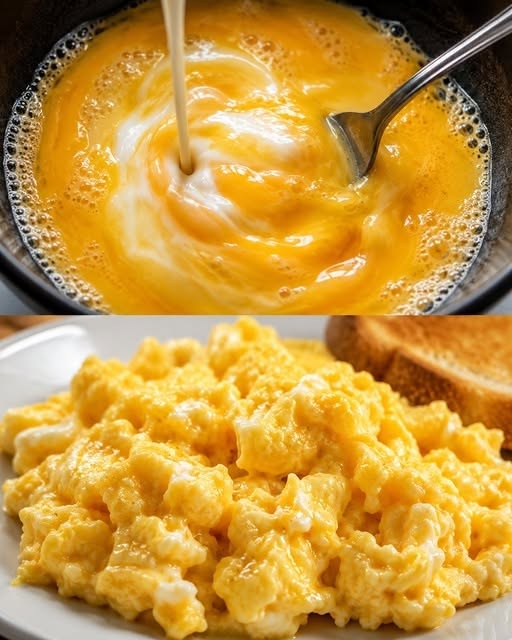
- Instead, they should be moist, soft, and silky. Every spoonful should hold together while remaining tender enough to melt in your mouth.
- The folds should appear smooth rather than crumbly, and the eggs should retain a light shine that indicates they have not been overcooked.
Serving Ideas
- These scrambled eggs pair beautifully with many breakfast favorites.
- Serve them over slices of toasted wheat bread or sourdough toast for a simple meal.
- They also work well alongside roasted tomatoes, sautéed mushrooms, fresh avocado slices, or seasonal fruit.
- For a heartier breakfast, add crispy breakfast potatoes or fresh salad greens.
- The eggs can even be folded into breakfast wraps or served inside toasted sandwiches.
Helpful Cooking Tips
- Always cook over low heat.
- Whisk the eggs until completely smooth.
- Use a flexible silicone spatula for gentle stirring.
- Avoid letting the butter brown.
- Remove the eggs before they appear fully cooked.
- Serve immediately for the creamiest texture.
- Finish with fresh chives and flaky sea salt just before serving.
Common Mistakes to Avoid
- Cooking over medium or high heat often leads to dry eggs.
- Leaving the eggs unattended allows them to overcook quickly.
- Overstirring after the eggs have nearly set can break apart the soft folds.
- Waiting too long before serving causes the eggs to continue cooking and lose their creamy texture.
- Using a pan that is too hot before adding the eggs also reduces control over the cooking process.
Storing Leftovers
- Scrambled eggs are always best enjoyed fresh, but leftovers can still be stored.
- Allow them to cool completely before transferring to an airtight container. Refrigerate for up to two days.
- To reheat, place them in a skillet over very low heat and stir gently until warmed through. Avoid microwaving for long periods since this often makes the eggs rubbery.
Creamy Healthy Soft Scrambled Eggs
These soft and creamy scrambled eggs are made with just a few everyday ingredients and cooked gently over low heat for a rich, silky texture. A touch of butter adds flavor, while water helps create light, tender eggs without the need for milk or cream. Finished with fresh chives and flaky sea salt, they make a simple yet satisfying breakfast served with toasted wheat or sourdough bread.
2
servings5
5
minutes182
kcal10
minutesIngredients
3 large eggs
1 tablespoon butter
1 tablespoon water
Pinch of salt
Freshly ground black pepper (optional)
Chopped fresh chives
Flaky sea salt
Toasted wheat or sourdough bread, for serving
Directions
- Crack the eggs into a medium mixing bowl. Add the water and a pinch of salt. Whisk thoroughly until the yolks and whites are completely blended and the mixture looks smooth and slightly frothy.
- Place a nonstick skillet over low heat. Add the butter and allow it to melt slowly without letting it brown.
- Pour the egg mixture into the skillet. Let it sit for a few seconds before gently stirring with a silicone spatula.
- Continue stirring slowly, moving the eggs around the pan in gentle motions. As soft curds begin to form, fold the eggs carefully instead of stirring vigorously.
- Cook over low heat until the eggs are mostly set but still look slightly glossy and creamy.
- Remove the skillet from the heat. The remaining heat in the pan will continue to cook the eggs gently to the perfect consistency.
- Spoon the scrambled eggs onto slices of toasted wheat or sourdough bread.
- Finish with chopped fresh chives, a light sprinkle of flaky sea salt, and freshly ground black pepper if desired.
- Serve immediately while warm and creamy.
Notes
- Cook the eggs over low heat for the softest texture.
- Whisk the eggs well before cooking for even consistency.
- Water creates light, fluffy eggs without the need for milk or cream.
- Remove the pan from the heat while the eggs are still slightly glossy to prevent overcooking.
- Use a silicone spatula to create smooth, delicate folds.
- Butter should melt gently without browning.
- Scrambled eggs are best enjoyed immediately after cooking.
Nutrition Facts
- Calories: 182kcal
- Fat: 14g
- Saturated Fat: 6g
- Cholesterol: 343mg
- Sodium: 473mg
- Potassium: 145mg
- Carbohydrates: 1g
- Sugar: 1g
- Protein: 12g
- Vitamin A: 682mcg
- Calcium: 68mg
- Iron: 2mg