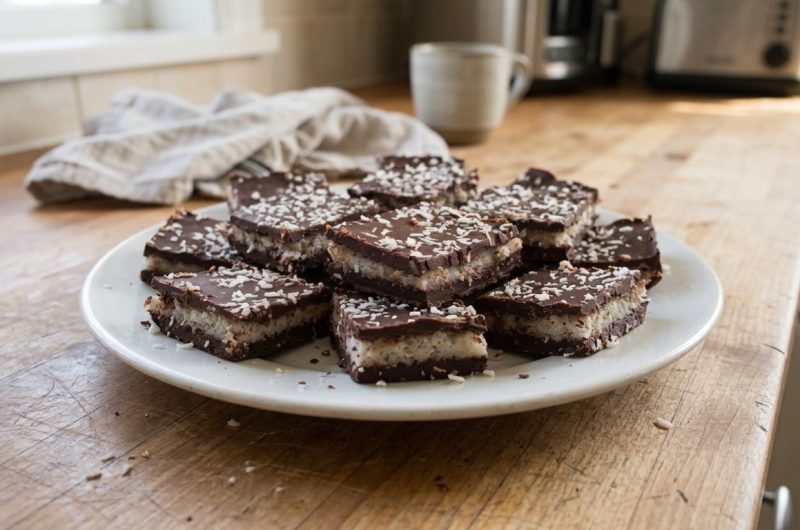
If you love the combination of rich chocolate and creamy coconut, this sugar-free keto Bounty bar chocolate bark is a delicious treat to add to your low-carb dessert collection. Inspired by the familiar chocolate-covered coconut bars, this easy recipe brings together a smooth coconut center and a crisp dark chocolate coating in a simple bark-style dessert. It delivers the classic chocolate-and-coconut flavor without the need for traditional sugar or complicated candy-making techniques.
One of the best things about this keto chocolate bark is its simplicity. You only need five ingredients to create a dessert that looks appealing, tastes indulgent, and fits into a carefully planned ketogenic lifestyle. Instead of shaping individual coconut bars and dipping them one by one into melted chocolate, you can prepare the coconut filling, spread it in a suitable dish, and finish it with a layer of chocolate. Once chilled, the bark can be broken into generous squares for easy serving.
This sugar-free coconut chocolate bark is ideal for anyone who enjoys homemade keto sweets but prefers recipes that require minimal preparation. It can be prepared ahead of time, stored in the refrigerator, and enjoyed whenever you want something chocolatey. With its creamy texture, rich cocoa flavor, and refreshing coconut taste, this dessert offers a convenient alternative to many conventional chocolate bars.
What Makes Keto Bounty Bar Chocolate Bark Special?
Traditional coconut chocolate bars are known for their sweet coconut centers and chocolate coatings. Although delicious, commercially prepared versions generally contain added sugar and other ingredients that may not fit a low-carb eating plan. Making a homemade version allows you to choose suitable sugar-free ingredients and control how the dessert is prepared.
This keto Bounty bar recipe takes inspiration from that familiar combination while simplifying the process. Rather than recreating every individual candy bar, the ingredients are assembled as chocolate bark. The result is a dessert with the same appealing contrast between coconut and chocolate, presented in a format that is easier to prepare and portion.
The coconut filling provides a soft, creamy texture, while the dark chocolate creates a firmer outer layer. Every piece offers a mixture of smooth coconut and rich chocolate, making it satisfying for people who enjoy desserts that balance sweetness with a deeper cocoa flavor. Because the bark is divided into pieces after chilling, it also works well when you want to serve several people without spending extra time shaping individual treats.
Another advantage is its short ingredient list. Five ingredients can be enough to create a dessert that feels special without requiring a long shopping list. The exact nutritional values depend on the products used, especially the type of chocolate and sweetener, so selecting suitable sugar-free ingredients is an important part of the recipe.
Why This Sugar-Free Coconut Dessert Fits a Keto Lifestyle
The ketogenic diet focuses on keeping carbohydrate intake low while obtaining a greater proportion of energy from fats. Desserts made with carefully selected ingredients can help people following this approach enjoy familiar flavors without relying on conventional sugar-heavy recipes. This chocolate bark uses a coconut filling and dark chocolate as the foundation for a low-carb-inspired treat.
Coconut is particularly popular in keto baking because it contributes a naturally rich flavor and satisfying texture. Depending on the coconut product used, it may also provide dietary fiber. When combined with an appropriate sugar-free chocolate, coconut can form the basis of a dessert that tastes indulgent without requiring traditional confectionery ingredients.
The recipe is described as containing approximately 0.8 grams of net carbohydrates per generous square. However, this figure should be treated as an estimate rather than a universal nutritional value. Net carbohydrates are generally calculated by subtracting dietary fiber from total carbohydrates, and labeling rules, serving sizes, and ingredient formulations can vary. Some sugar substitutes, particularly certain sugar alcohols, may also affect how nutritional information is calculated.
For the most accurate result, check the nutrition labels on your own ingredients and calculate the values for the number of portions you actually make. If you follow a strict ketogenic diet for a specific health reason, measuring portions and checking the carbohydrate content of each ingredient can be especially important.
The Appeal of Chocolate and Coconut Together
Chocolate and coconut are a popular dessert pairing because their flavors complement one another naturally. Dark chocolate contributes roasted cocoa notes and a slight bitterness, while coconut brings a mellow sweetness and creamy texture. Together, they create a balanced flavor that can feel rich without requiring an excessively sweet finish.
The contrast between the two textures is equally important. A well-chilled chocolate layer provides a pleasant snap or firm bite, depending on the chocolate used and the temperature at which it is served. Beneath it, the coconut filling remains softer and more tender. This combination makes every square interesting to eat, even though the recipe uses only a handful of ingredients.
Choosing a dark chocolate with a cocoa flavor you enjoy can make a noticeable difference. A stronger dark chocolate creates a more pronounced contrast with the coconut, while a milder variety produces a gentler, sweeter-tasting dessert. For a keto-friendly version, look for chocolate that is specifically labeled sugar-free or suitable for your carbohydrate requirements, and examine the ingredient list rather than relying on the front label alone.
The coconut component should also suit the texture you want. Fine coconut generally creates a more uniform filling, whereas a coarser texture produces a more noticeable coconut bite. Whichever product you use, the goal is to create a filling that holds together sufficiently when chilled and can be cut or broken into manageable pieces.
Why Chocolate Bark Is Easier Than Traditional Bounty Bars
Making individual chocolate-covered coconut bars can be time-consuming. Each piece must be shaped, chilled, coated in melted chocolate, and often handled carefully to prevent the filling from breaking apart. The process can become messy, especially when the coconut mixture is soft or the chocolate begins to thicken before all the bars have been dipped.
Chocolate bark offers a simpler approach. Instead of making separate bars, you arrange the coconut filling in a single layer and cover it with melted chocolate. After the mixture has cooled and firmed up, you divide it into squares or irregular pieces. This method reduces handling and makes the recipe approachable even for beginners who have little experience with homemade keto desserts.
The bark format is also flexible. You can break it into small pieces for a dessert platter or make larger squares for a more generous treat. If you prefer a rustic appearance, uneven pieces look attractive and emphasize the homemade character of the dessert. If presentation matters, you can cut the chilled bark into more uniform portions with a sharp knife.
Because the chocolate and coconut are prepared together in one dish, cleanup is generally easier than with individual dipping. There is also less need to handle each piece while the chocolate is setting. This makes the recipe a useful option when you want the flavor of a homemade coconut chocolate bar without the extra work involved in traditional candy-making.
Understanding the Five Ingredients
The appeal of this recipe lies in its short ingredient list, but each component plays a role in the finished dessert. Since the complete ingredient quantities were not included in the supplied source text, they should be taken from the original recipe rather than estimated. Keeping the ingredient amounts unchanged is important for preserving the intended texture, sweetness, and nutritional profile.
Coconut Filling
The coconut ingredient provides the characteristic flavor of a Bounty-inspired dessert. Its texture helps determine whether the filling feels smooth, soft, or slightly chewy. For the best result, use the exact coconut product specified in the original ingredient list, because coconut flour, desiccated coconut, and shredded coconut absorb moisture differently and cannot always be substituted in equal quantities.
Sugar-Free Dark Chocolate
Dark chocolate creates the outer layer and supplies the deep cocoa flavor that balances the coconut filling. Sugar-free chocolate is a useful choice for reducing added sugar, but different brands have different sweetness levels, cocoa percentages, and melting properties. Choose a product that suits your dietary needs and follow the quantity given in the original recipe to maintain the intended chocolate-to-coconut ratio.
The Remaining Ingredients
The other three ingredients help complete the filling and chocolate mixture. Their precise functions depend on the original formulation, so it is important not to replace them or change their amounts without testing the recipe. Ingredients that seem similar may behave differently when chilled, particularly in low-carb desserts where sugar and conventional baking ingredients have been replaced with alternatives.
For that reason, prepare the recipe with all five original ingredients before experimenting with substitutions. This gives you the best chance of achieving the intended creamy coconut center and firm chocolate exterior.
Tips for Smooth Chocolate and Creamy Coconut
The quality of the finished bark depends on a few simple preparation details. First, avoid overheating the chocolate. Sugar-free chocolate can behave differently from conventional chocolate, and some varieties thicken quickly when exposed to excessive heat. Stirring frequently and heating gradually gives you greater control over the consistency and helps produce a smoother coating.
Second, spread the coconut filling evenly before adding the chocolate. Thick areas may create oversized pieces, while thin sections can break more easily when the bark is removed. Taking a moment to level the surface helps the chocolate cover the filling more consistently and makes portioning easier after chilling.
Third, allow enough time for the bark to become firm before cutting or breaking it. Handling the mixture too early can cause the layers to separate or the coconut filling to crumble. If the chocolate is still soft, return the bark to the refrigerator rather than forcing it into portions. A fully set slab is easier to manage and usually produces cleaner pieces.
Finally, remember that sugar-free chocolate products vary. If your chosen brand is less sweet than expected, the finished bark may taste more intensely chocolatey. If it contains a different sweetener, the texture and aftertaste may also vary. Choosing a product you already enjoy can help you get a result that suits your preferences.
Frequently Asked Questions
Is Keto Bounty Bar Chocolate Bark Sugar-Free?
The recipe is intended to be made with sugar-free ingredients, including suitable dark chocolate. However, the final product is only as sugar-free as the ingredients used. Check the labels carefully because some products marketed as dark chocolate contain added sugar, and some sugar-free products contain carbohydrates from other ingredients or sweeteners.
How Many Net Carbs Are in Each Piece?
The supplied recipe description states approximately 0.8 grams of net carbs per generous square. Actual values depend on the ingredient brands, quantities, and final number of portions. For accurate tracking, calculate the total carbohydrates and fiber using the product labels, then divide the appropriate totals by the number of servings.
Can I Make the Bark Ahead of Time?
Yes, chocolate bark is well suited to advance preparation because it needs time to set before serving. Prepare it ahead, chill it until firm, and store it in an airtight container under suitable refrigerated conditions. This approach makes it convenient to have a homemade dessert ready when you want a small chocolate-and-coconut treat.
Why Is My Chocolate Bark Too Soft?
Soft bark may result from insufficient chilling, a warm environment, or the particular type of chocolate used. Return it to the refrigerator and allow additional time for the chocolate to firm up. If it softens quickly after removal, keep it chilled until just before serving and avoid leaving it in direct sunlight or near a warm cooking area.
Can I Use Regular Dark Chocolate Instead?
Regular dark chocolate can be used in a variation, but it may contain added sugar and increase the total carbohydrate content. If your aim is to keep the dessert suitable for a ketogenic diet, select chocolate with nutrition information that fits your personal carbohydrate limit. Changing the chocolate may also affect the sweetness and consistency of the finished bark.
Keto Bounty Bars
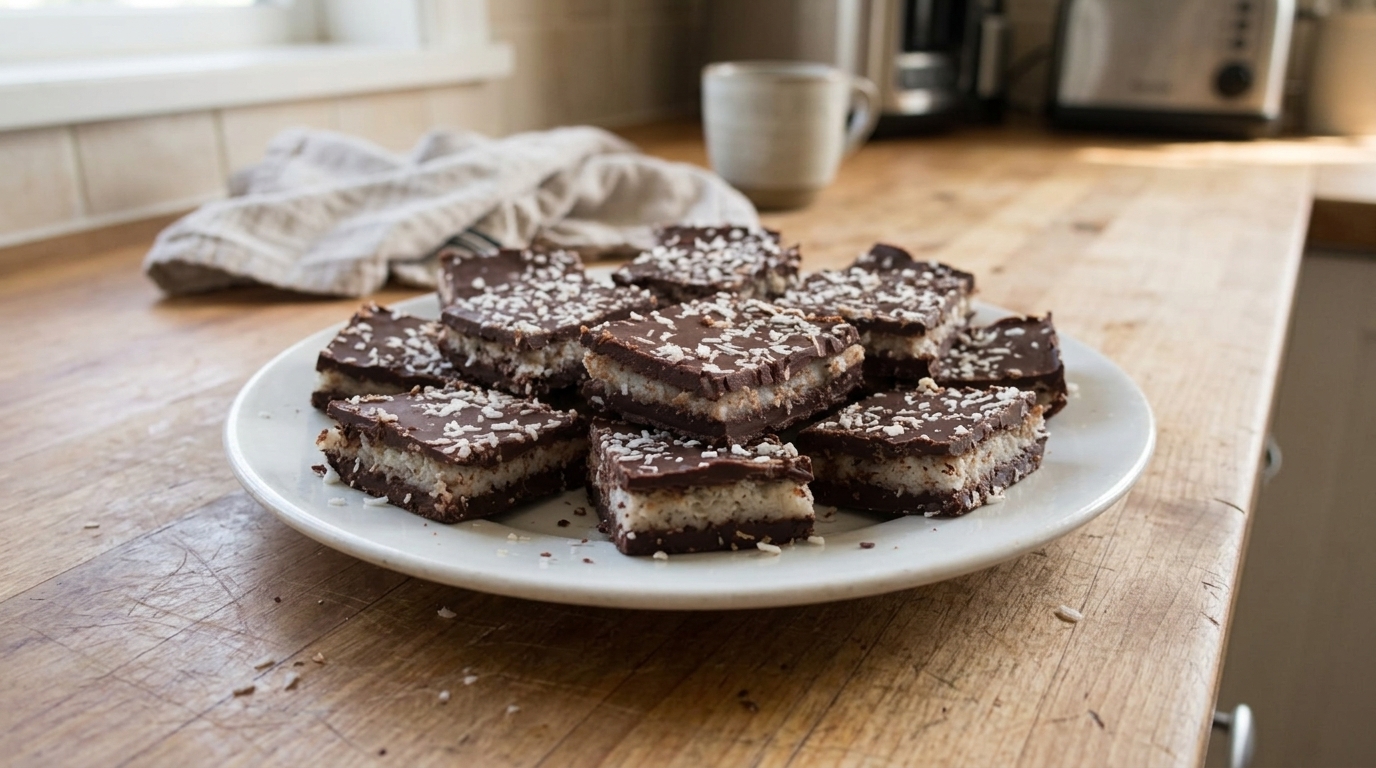
A simple no-bake keto chocolate bark made with rich sugar-free chocolate and a soft, creamy coconut filling. This low-carb dessert is easy to prepare, requires only a few ingredients, and contains approximately 0.8g net carbs per serving.
15
servings5
minutes106
kcal60
minutes1
hour5
minutesIngredients
- Chocolate Layer
7 oz (200g) sugar-free chocolate — alternatively, use 90% dark chocolate or 100% unsweetened chocolate. Sweeten unsweetened chocolate to taste with stevia drops or allulose.
- Coconut Filling
1 cup (90g) unsweetened desiccated coconut
3 tablespoons coconut cream — alternatively, chill a can of coconut milk so the cream separates from the liquid.
1 tablespoon coconut oil
1–2 tablespoons allulose or sweetener of choice — used to sweeten the filling.
Directions
- Divide the chocolate into two portions. Melt the first half gently in a pot over low heat, or use a microwave. If using 100% unsweetened chocolate, allow it to cool slightly to a lukewarm temperature and sweeten to taste with stevia drops. Approximately 12 drops per 100g may be used as a starting point.
- Line a small casserole dish, approximately 10 x 7 inches, with parchment paper. Pour the melted chocolate into the prepared dish and spread it into an even layer.
- Place the dish in the refrigerator or freezer for approximately 5 to 15 minutes, or until the chocolate layer has hardened.
- Add the desiccated coconut, coconut cream, coconut oil, and sweetener to a food processor. Blend for approximately 2 minutes until the mixture becomes soft and sticky. An immersion blender with a tall, narrow mixing bowl can also be used.
- Remove the hardened chocolate base from the refrigerator. Spread the coconut filling over the chocolate and gently press it down to create an even layer. Use approximately half of the filling or more if you prefer a thicker and more coconut-rich center.
- Melt the second half of the chocolate using low heat or a microwave. Stir until smooth and fully melted.
- Pour the melted chocolate over the coconut filling and spread it evenly across the surface. If desired, sprinkle shredded coconut over the top before the chocolate sets.
- Return the dish to the refrigerator until fully set, approximately 5 to 15 minutes. Once firm, remove the bark from the dish and cut it into approximately 15 to 20 pieces using a sharp knife.
- Serve chilled. Based on 15 servings, each serving contains approximately 0.8g net carbs according to the original recipe calculation.
Nutrition Facts
- Calories: 106kcal
- Fat: 9.7g
- Carbohydrates: 1.2g
- Fiber: 0.4g
- Sugar: 0.3g
- Protein: 2.2g