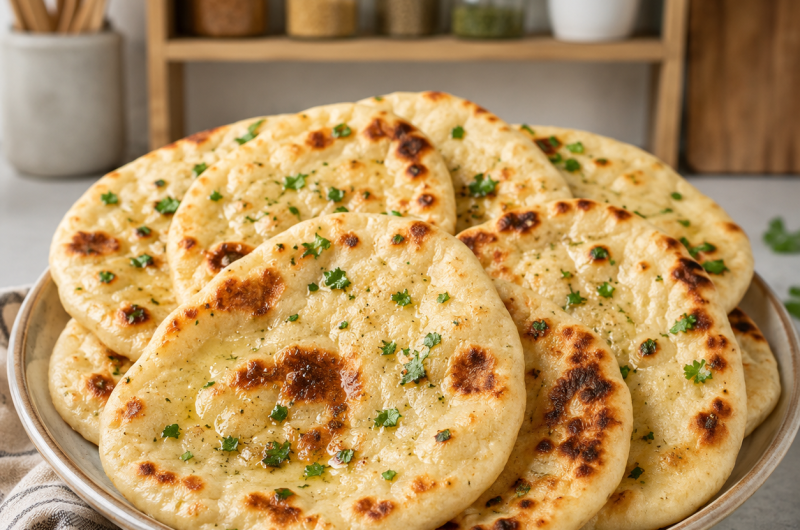
Gluten-free naan bread is a delicious alternative to traditional naan, especially for anyone who wants soft, fluffy homemade flatbread without gluten. This easy gluten-free naan recipe creates bread that is tender, slightly chewy, and wonderfully pillowy, with a texture that makes it perfect for serving alongside curries, grilled vegetables, soups, and other favorite meals. Even better, the dough is easy to handle, making this recipe suitable for home cooks who may be new to gluten-free baking.
One of the best things about this homemade gluten-free naan is how quickly it comes together. Unlike traditional naan recipes that depend on yeast and require time for the dough to rise, this version uses baking powder to help the bread puff up during cooking. The result is a convenient yeast-free flatbread that can be prepared in approximately 45 minutes, making it an excellent choice for busy weeknights, family dinners, or whenever you want fresh bread without spending hours in the kitchen.
What Makes This Gluten-Free Naan Special?
Gluten-free baking can sometimes be challenging because wheat flour contains gluten, a protein that gives conventional bread its elasticity and structure. Without gluten, dough can become crumbly, dry, or difficult to shape. This gluten-free naan recipe is designed to make the process easier, producing dough that can be kneaded and rolled without unnecessary frustration. Its soft texture and flexible preparation make it a useful recipe to keep on hand for a variety of meals.
Another reason to love this naan is its yeast-free preparation. Baking powder provides the leavening needed to help the flatbreads rise and develop a light texture as they cook. You do not have to wait for the dough to double in size, prepare yeast, or plan your cooking around a long rising period. Instead, you can prepare the dough, shape the individual breads, and cook them in a relatively short amount of time.
The finished naan is soft and satisfying, with a gentle chew that makes it enjoyable on its own or paired with flavorful dishes. Its mild taste also means that it works well with spicy curries, creamy sauces, roasted vegetables, and grilled meats. Whether you are preparing an Indian-inspired dinner or simply looking for an alternative to ordinary gluten-free bread, this homemade flatbread offers plenty of versatility.
Why Make Homemade Gluten-Free Naan?
Store-bought gluten-free bread can be convenient, but it does not always provide the texture or freshness you want from a flatbread. Some packaged alternatives may feel dry, stiff, or crumbly, particularly after reheating. Homemade gluten-free naan gives you more control over the preparation process and allows you to enjoy freshly cooked bread while it is still soft and warm.
Making naan at home also means that you can prepare it whenever it fits your meal plan. Because this recipe does not require yeast, you can avoid the extra waiting time associated with many traditional bread recipes. A total preparation and cooking time of around 45 minutes makes it practical for an everyday meal, even when you have limited time to prepare several dishes.
There is also something satisfying about making flatbread from scratch. Rolling the dough into individual pieces and watching the breads puff during cooking can make the process enjoyable rather than complicated. Once you become familiar with the dough, you can prepare the naan more confidently and incorporate it into your regular cooking routine. It is a simple way to add a freshly made, gluten-free option to your table.
Ingredients for Gluten-Free Naan Bread
The ingredients are the foundation of a successful gluten-free naan, so it is important to follow the original recipe’s ingredient list and quantities carefully. Gluten-free baking often depends on the balance between dry and wet ingredients, and changing those proportions can affect the dough’s consistency, softness, and ability to hold its shape. For the most reliable result, use the exact ingredients specified in the complete recipe rather than making untested substitutions.
Gluten-free flour blends are not all identical. Some contain a mixture of rice flour, starches, and other gluten-free flours, while others have a different balance that affects how much moisture they absorb. If your original recipe specifies a particular gluten-free flour blend, using that same type is the safest starting point. A different blend may produce a dough that feels noticeably firmer, stickier, or more fragile.
Baking powder is especially important in a quick naan recipe because it provides lift without requiring yeast. When the dough is cooked, the leavening helps create a lighter texture and encourages the bread to puff. Check that your baking powder is fresh and suitable for your dietary needs. If you require a strictly gluten-free diet, also check the packaging of all ingredients for gluten-free labeling and potential cross-contact warnings.
Important recipe note: The supplied source text does not include the complete ingredient list or quantities. Those details should be added from the original recipe before publishing the recipe card.
How to Make Soft Gluten-Free Naan
Step 1: Prepare the dough
Begin by measuring the ingredients according to the complete original recipe. Accurate measurements are particularly useful when making gluten-free bread because the dough may react differently from conventional wheat dough. Combine the ingredients in the order specified by your recipe, mixing until they form a workable dough. Aim for a consistency that is soft enough to knead and shape without falling apart, while avoiding unnecessary additions that could change the original formula.
Step 2: Knead until smooth
Kneading helps bring the ingredients together into a more uniform dough. Gluten-free naan dough does not develop the same gluten network as traditional bread dough, so the goal is not to create the elasticity associated with wheat flour. Instead, work the dough until it becomes evenly combined and manageable. If the original recipe gives a particular kneading method or duration, follow those instructions for the best chance of achieving a soft, easy-to-roll flatbread.
Step 3: Divide and shape the dough
Once the dough is ready, divide it into portions according to the original recipe. Shape each portion into a ball, then roll it into a flat naan shape on a suitable work surface. Try to keep the pieces reasonably even in thickness so that they cook at a similar rate. If the dough begins to stick, follow the original recipe’s recommendations for handling it rather than automatically adding extra flour, which can make the finished bread drier.
Step 4: Heat the cooking surface
Prepare the pan or other cooking surface specified in the original recipe. Allow it to become properly heated before adding the first piece of dough. A sufficiently hot cooking surface helps the naan begin cooking promptly and encourages the characteristic bubbles and puffing that make freshly prepared flatbread so appealing. Avoid guessing at a precise temperature or cooking setting when those details are not available in the supplied instructions.
Step 5: Cook the naan
Place one piece of rolled dough onto the heated cooking surface and cook it according to the original recipe’s timing and method. As the bread cooks, you may notice bubbles forming and sections of the dough puffing up. These changes are part of the texture that makes naan different from a thin, crisp flatbread. Turn the bread when instructed, then cook the other side until it is done. Repeat with the remaining portions.
Step 6: Serve while soft and warm
Transfer each cooked naan to a serving plate or another suitable surface. If the original recipe recommends covering the breads to keep them soft, follow that guidance while you finish cooking the remaining portions. Gluten-free flatbreads are often most enjoyable shortly after cooking, when they are warm and tender. Serve them with your favorite curry, a creamy dip, grilled vegetables, or any meal that benefits from a soft bread for scooping up sauces.
What to Serve with Gluten-Free Naan
Gluten-free naan pairs naturally with Indian-inspired meals. Serve it alongside butter chicken, chickpea curry, lentil dal, vegetable korma, or a rich tomato-based sauce. Its soft texture makes it useful for scooping up gravy and carrying flavorful ingredients from the plate to your mouth. Because the bread has a relatively mild taste, it complements both spicy dishes and creamy recipes without overwhelming the other flavors.
It also works well with grilled or roasted vegetables. Try serving naan with roasted cauliflower, spiced potatoes, grilled peppers, or a bowl of warm vegetable stew. For a lighter meal, use the bread alongside a fresh salad and a yogurt-based dip. You can also serve it as part of a sharing platter with several small dishes, allowing everyone to combine the bread with their favorite accompaniments.
For a simple snack, enjoy a warm piece of naan with a suitable dip or spread. If your dietary requirements allow, garlic-flavored butter or an herb-based topping can add extra flavor. However, any optional additions should remain separate from the original ingredient list, particularly if you are reproducing a specific recipe. This keeps the basic naan recipe accurate while allowing you to customize how it is served.
How to Store and Reheat Gluten-Free Naan
Freshly cooked naan is generally best enjoyed while warm, but you can plan ahead if you have leftovers. Allow the bread to cool appropriately before placing it in a clean, airtight container. Avoid sealing very hot bread immediately if doing so creates excessive condensation, as trapped moisture can change its texture. For food safety, do not leave cooked bread sitting at room temperature for an extended period, especially in a warm kitchen.
For longer storage, freezing may be a convenient option. Once the naan has cooled, separate the individual pieces with suitable food-safe wrapping or parchment so they are easier to remove as needed. Place them in a freezer-safe container or bag and label the package with the date. The quality of gluten-free bread can change during storage, so use a sensible storage period and check the original recipe’s recommendations if they are available.
To reheat naan, use a method that warms the bread without making it overly dry. A covered pan over gentle heat can help restore softness, while a brief reheat in another suitable appliance may also work. The ideal approach depends on the thickness of the naan and how it was stored. Avoid overheating, and check that the bread is warmed evenly before serving.
Frequently Asked Questions
Is gluten-free naan yeast-free?
Yes, this recipe is described as a yeast-free naan because it uses baking powder instead of yeast. This removes the need for a traditional yeast-rising stage and makes the recipe quicker to prepare. The supplied description indicates that the bread can be ready in approximately 45 minutes. Be sure to follow the full recipe’s preparation and cooking instructions, as the exact timing depends on the method and quantities used.
Will gluten-free naan be soft and chewy?
This recipe is intended to produce a soft, pillowy naan with a pleasant chew. The result depends on using the specified ingredients, handling the dough correctly, and cooking the bread according to the instructions. Gluten-free flour blends differ, so changing the flour or adjusting the liquid without testing can affect the texture. For the best results, start with the original recipe’s measurements and recommended preparation method.
Is this recipe suitable for beginners?
The recipe is designed to be approachable because the dough is described as easy to knead and roll. It also avoids the extra steps associated with yeast-based bread. Beginners should measure the ingredients carefully, prepare the cooking surface in advance, and shape the dough evenly. Following the original recipe closely is especially helpful when learning how a particular gluten-free flour blend behaves.
Can I serve gluten-free naan with curry?
Absolutely. Naan is an excellent accompaniment to many curries, including lentil, chickpea, vegetable, and chicken dishes. Its soft texture makes it easy to use for scooping sauces, while its mild flavor works with a broad range of spices. You can also serve it alongside grilled vegetables, soups, dips, and other dishes that benefit from freshly cooked flatbread.
Can I change the gluten-free flour blend?
It is best to use the flour specified in the original recipe, particularly when making it for the first time. Different gluten-free blends contain different proportions of flour and starch, which can change how much moisture the dough needs. Substituting another blend may affect the texture and handling of the naan. If you need to use a different product, expect that the dough may behave differently and that adjustments could require testing.
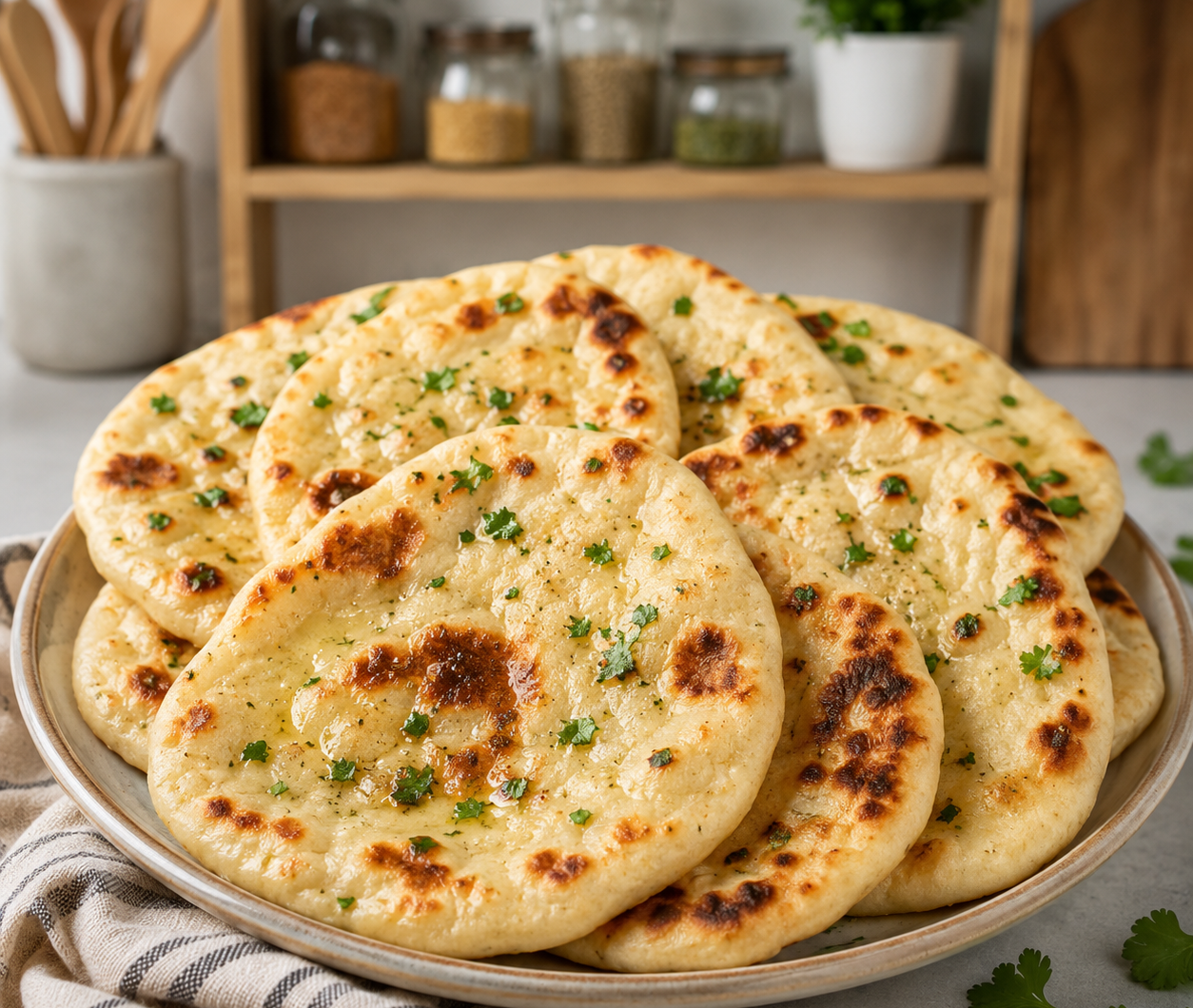
Quick & Easy Gluten Free Naan Bread (No Yeast)
Enjoy soft, chewy, and perfectly puffed homemade gluten free naan without using yeast. This easy skillet flatbread is made with millet flour, tapioca starch, yogurt, and psyllium husk for an authentic texture that’s ideal with curries, soups, wraps, and dips.
6
servings20
minutes15
minutes190
kcal10
minutes45
minutesIngredients
- Dry Ingredients
1½ cups (180 g) millet flour
¾ cup (90 g) tapioca starch
1 tablespoon sugar
1 teaspoon salt
2 teaspoons baking powder
2 tablespoons whole psyllium husk (or 1 tablespoon + 2 teaspoons psyllium husk powder)
- Wet Ingredients
1 cup (240 ml) warm water
½ cup (120 g) plain or Greek yoghurt
2 tablespoons olive oil
Extra olive oil (for cooking or brushing, if desired)
Directions
- In a medium bowl, combine the warm water and psyllium husk. Stir well and allow it to form a thick gel for about 15–30 seconds.
- In a large mixing bowl, whisk together the millet flour, tapioca starch, sugar, salt, and baking powder.
- Add the prepared psyllium gel, yoghurt, and olive oil to the dry ingredients.
- Mix until a dough forms, then knead by hand or with a stand mixer for 2–3 minutes until smooth and flexible.
- Cover the dough and allow it to rest for 10 minutes.
- Divide the dough into 6 equal portions and roll each into a smooth ball.
- On a lightly floured surface, roll each portion into a round or oval approximately ⅛–¼ inch (3–5 mm) thick.
- Heat a dry skillet over medium-high heat until very hot.
- Cook one naan for 1–2 minutes until bubbles appear and the underside develops golden brown spots.
- Flip and cook for another 1–2 minutes until fully cooked with lightly charred areas.
- Repeat with the remaining dough.
- Brush the warm naan with olive oil or butter if desired and keep wrapped in a clean kitchen towel until ready to serve.
Nutrition Facts
6 servings per container
- Amount Per ServingCalories190
- % Daily Value *
- Total Fat
5g
7%
- Total Carbohydrate
33g
12%
- Protein 4g 8%
* The % Daily Value tells you how much a nutrient in a serving of food contributes to a daily diet. 2,000 calories a day is used for general nutrition advice.