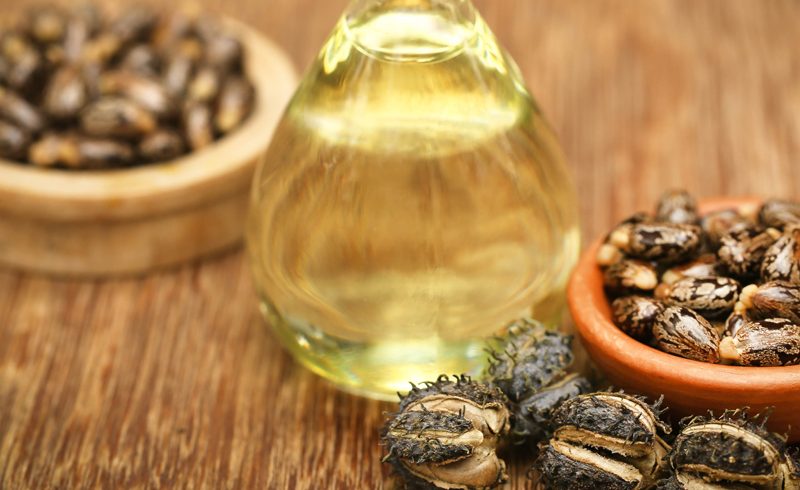
The production of castor oil begins with the careful selection of castor seeds obtained from mature castor plants. Only fully ripened, dry, and healthy seeds are chosen because seed quality directly determines oil yield and purity. Each batch of seeds is inspected manually or through sorting machines. Seeds that are immature, broken, mold-infected, or damaged by insects are removed because they reduce efficiency and may affect oil quality. High-quality seeds ensure better extraction and cleaner oil.
2. Primary Cleaning Process
After selection, the seeds undergo a thorough cleaning process using industrial cleaning equipment. Air blowers, vibrating screens, and sieves are used to remove dust, soil particles, stones, plant debris, and other unwanted impurities. Lighter particles are removed using air suction systems, while heavier contaminants are separated using mechanical screening. This step ensures that only clean and usable seeds proceed further in the production process.
3. Secondary Cleaning and Sorting
In this stage, seeds are further refined by size, shape, and weight. Uniform seeds are separated to ensure consistent oil extraction. Advanced processing plants may use optical sorting machines that detect and remove defective seeds. Magnetic separators are also used to eliminate any metallic impurities. This stage improves efficiency and ensures consistency in the final product.
4. Controlled Drying Process
The cleaned seeds are dried under controlled temperature conditions to reduce moisture content. Proper drying is essential because excess moisture can negatively affect oil extraction efficiency and lead to microbial growth. Drying can be done using natural sunlight in some small-scale setups or industrial hot-air dryers in large facilities. The goal is to achieve an optimal moisture level for maximum oil yield.
5. Dehulling (Shell Removal Process)
Castor seeds have a hard outer shell that must be removed in many industrial processes. Dehulling machines crack and separate the shell from the inner kernel. The kernel contains most of the oil content, so this step significantly increases extraction efficiency. The removed shells are collected separately and can be used as biomass fuel or waste material.
6. Crushing and Flaking
The dehulled seeds (kernels) are then crushed into smaller pieces or flakes using industrial crushers. This process breaks the cellular structure of the seeds and exposes oil-containing cells. The size of flakes is carefully controlled because it affects how easily oil can be extracted during pressing. Proper flaking ensures higher oil yield and smoother extraction.
7. Conditioning (Heating and Moisture Adjustment)
The crushed material is gently heated and conditioned in controlled steam or heating chambers. This step softens the seed material and reduces oil viscosity, making extraction easier. Temperature control is extremely important because overheating can damage oil quality. Moisture is also adjusted to achieve optimal pressing conditions.
8. Mechanical Oil Extraction (Pressing Stage)
The prepared seed material is fed into industrial screw press machines. High mechanical pressure is applied, which squeezes out the natural oil from the seed mass. This process is known as mechanical extraction or expeller pressing. Both pressure and temperature are carefully controlled to maximize yield while preserving oil quality.
9. Collection of Crude Castor Oil
The oil obtained from pressing is called crude castor oil. At this stage, the oil is not pure and contains solid particles, seed residues, gums, and natural impurities. The crude oil is collected in storage tanks for further processing.
10. Sedimentation (Natural Settling Process)
The crude oil is left in large tanks for a certain period so that heavier impurities naturally settle at the bottom due to gravity. This step helps reduce the load on filtration systems and improves oil clarity before further processing.
11. Filtration Process
The oil undergoes multiple filtration stages using coarse filters, fine mesh filters, and sometimes vacuum filtration systems. These filters remove suspended particles and fine impurities. The result is clearer and more stable oil suitable for refining.
12. Refining Process
Refining is an important stage where the oil is chemically and physically purified. Processes such as degumming remove phospholipids, neutralization reduces free fatty acids, bleaching improves color, and deodorization reduces unwanted odor. This step is essential for producing cosmetic, pharmaceutical, or high-grade industrial oil.
13. Laboratory Quality Testing
Each batch of refined oil is tested in laboratories to ensure it meets quality standards. Tests include checking viscosity, density, acid value, purity level, moisture content, and chemical composition. Only batches that pass strict quality control are approved for packaging and distribution.
14. Controlled Storage
The purified oil is stored in stainless steel or food-grade tanks under controlled environmental conditions. It is protected from heat, light, and oxygen exposure because these factors can degrade oil quality over time. Proper storage ensures long shelf life and stability.
15. Packaging Process
The oil is then transferred into bottles, cans, or drums using automated filling machines. Each container is sealed properly to prevent contamination. Packaging is done in sterile environments to maintain product purity.
16. Labeling and Branding
After packaging, labels are applied to each container. These labels include product information such as batch number, manufacturing date, expiry date, usage instructions, and safety guidelines. Branding is also added depending on the company.
17. Distribution Stage
Finally, the packaged castor oil is distributed to cosmetic industries, pharmaceutical companies, and industrial manufacturers. It is widely used in hair care products, skincare formulations, lubricants, and medical applications.
Important Safety Note
Castor seeds naturally contain a toxic compound called ricin in their raw form, making them extremely dangerous to handle without proper industrial equipment and expertise. Therefore, castor oil production is strictly an industrial process and should never be attempted at home.