High-protein cottage cheese mousse is an easy way to enjoy a rich, chocolatey dessert without spending hours in the kitchen. Made with just a handful of everyday ingredients, this creamy treat comes together in about two minutes using a food processor or blender.
It is smooth, satisfying, and simple to customize, making it a convenient option for anyone who enjoys quick desserts with a protein boost. Whether you want a sweet afternoon snack, a post-workout treat, or a healthier alternative to traditional chocolate mousse, this recipe is worth adding to your regular routine.
One of the best things about this cottage cheese mousse recipe is its flexibility. You can prepare it with chocolate protein powder for an extra protein boost or leave the powder out for a simpler dessert. Cocoa powder gives it a deep chocolate flavor, while vanilla extract adds warmth and sweetness.
A little sweetener brings everything together, allowing you to adjust the taste according to your preferences. With the right blending technique, cottage cheese transforms into a creamy mixture that feels much more indulgent than its original texture suggests.
Why This Cottage Cheese Mousse Is Worth Making
Traditional chocolate mousse often relies on ingredients such as heavy cream, melted chocolate, eggs, and sugar. Although those ingredients can create a delicious dessert, they may require additional preparation and chilling time. This high-protein cottage cheese mousse takes a much simpler approach. Instead of whipping cream or melting chocolate, you blend cottage cheese with cocoa powder, vanilla, sweetener, and optional protein powder until the mixture becomes smooth and fluffy.
The result is a convenient dessert that combines a chocolate-inspired flavor with the nutritional benefits of cottage cheese. Cottage cheese naturally contains protein, while the optional protein powder can increase the protein content further. This makes the recipe especially appealing to people who want easy high-protein snacks without complicated cooking methods. Since the ingredients are blended together in one container, cleanup is also minimal, making it suitable for busy mornings, quick snack breaks, or evenings when you want something sweet.
Another advantage is that you can prepare a single serving without making an entire batch of dessert. A mini food processor works particularly well for this purpose because it handles small quantities efficiently. If you are preparing several portions for family members or meal prep, a larger food processor or high-speed blender may be more practical. The basic method stays the same regardless of the batch size, although you may need to stop and scrape down the sides of the container when blending larger quantities.
What Makes Cottage Cheese a Good Mousse Base?
Cottage cheese is the main ingredient in this recipe, and its texture changes dramatically when blended. Straight from the container, it usually has a soft, lumpy consistency with visible curds. Once processed thoroughly, those curds break down into a much smoother mixture. When combined with cocoa powder, sweetener, and vanilla, the cottage cheese becomes a thick, creamy dessert base that works well as a quick mousse.
Cottage cheese is also a source of protein and provides nutrients such as calcium. Its nutritional profile varies depending on the brand and whether you choose full-fat, reduced-fat, or fat-free varieties. Because protein content, sodium levels, and moisture can differ between products, checking the nutrition label is useful if you are tracking specific dietary goals. The final nutritional values of the mousse will also depend on your chosen sweetener and whether you include protein powder.
The fat content can influence the finished texture. Full-fat cottage cheese generally produces a richer, silkier mousse, while reduced-fat and fat-free varieties can work well if you prefer a lighter option. However, lower-fat cottage cheese may have a slightly less luxurious mouthfeel. Whichever variety you choose, blending thoroughly is the most important step in creating a smooth dessert without noticeable curds.
Ingredients for Chocolate Cottage Cheese Mousse
This recipe uses five main ingredients or fewer, depending on whether you include protein powder. Each ingredient has a specific purpose, from creating the creamy base to building the chocolate flavor and adjusting sweetness. Because the ingredient list is short, using products you enjoy can make a noticeable difference in the final taste.
Cottage Cheese
Cottage cheese forms the foundation of the mousse and provides its creamy consistency after blending. You can use full-fat, reduced-fat, or fat-free cottage cheese according to your preferences. Full-fat varieties are particularly useful when you want a richer dessert, while lower-fat options provide an alternative with less fat. If the cottage cheese contains a large amount of liquid, draining some of that moisture before blending can help prevent the mousse from becoming too thin.
Chocolate or Vanilla Protein Powder
Protein powder is optional, so you can make the mousse with or without it. Chocolate protein powder reinforces the cocoa flavor and creates a dessert that tastes closer to a chocolate protein pudding. Vanilla protein powder offers a milder flavor and can work well with either chocolate or vanilla-style variations. Different powders absorb liquid differently, so the finished consistency may change depending on the product you use. If you prefer a simpler recipe, leave the protein powder out and adjust the sweetness to taste.
Cocoa Powder
Cocoa powder supplies the main chocolate flavor. Three tablespoons create a distinctly chocolatey mousse, especially when combined with a chocolate-flavored protein powder. Unsweetened cocoa powder is a useful choice because it allows you to control the sweetness separately. If you enjoy a darker chocolate taste, you can retain the full amount specified in the recipe. If you prefer a milder flavor, remember that reducing the cocoa will also change the balance of the finished dessert.
Vanilla Extract
Vanilla extract rounds out the flavor and complements the cocoa powder. Although only a small amount is needed, it helps make the mousse taste more balanced and dessert-like. Use the specified half teaspoon for the chocolate version. Vanilla extract can also be useful when experimenting with a vanilla-inspired cottage cheese mousse, although additional changes to the cocoa and sweetener would be needed for that variation.
Sweetener
Two tablespoons of sweetener help balance the natural tanginess of cottage cheese and the bitterness of cocoa powder. You can use your preferred sweetener, including honey or a sugar-free syrup. The sweetness of different products varies, so the best choice depends on your taste and dietary preferences. If your protein powder is already sweetened, the mousse may need less additional sweetness, although the original recipe amount provides a useful starting point.
Easy Ways to Customize Your Mousse
Chocolate Protein Mousse
For a richer chocolate flavor and additional protein, use chocolate protein powder alongside the cocoa powder. This variation is especially convenient after exercise or when you want a filling snack. The precise protein content depends on the cottage cheese and protein powder brands you use, so check their labels if you need an accurate nutritional estimate. Because protein powders can contain different sweeteners, taste the mixture before adding any extra sweetness.
Vanilla Cottage Cheese Mousse
For a less chocolate-focused dessert, you can experiment with a vanilla-inspired version by leaving out the cocoa powder and choosing vanilla protein powder if desired. You will need to adjust the flavor balance because cocoa contributes both bitterness and thickness to the original mixture. This is an optional variation rather than the exact chocolate recipe. Start with a small batch to determine how much sweetener and vanilla flavor you prefer.
Adjusting the Richness
If you enjoy a dessert with a silky, indulgent texture, full-fat cottage cheese is a useful choice. For a lighter option, reduced-fat or fat-free cottage cheese can be substituted without changing the basic preparation method. The finished mousse may be less rich, but thorough blending will still help smooth the curds. Your preferred version ultimately depends on whether you prioritize a creamy mouthfeel, a lighter texture, or the nutritional profile of the ingredients.
Serving and Storage Suggestions
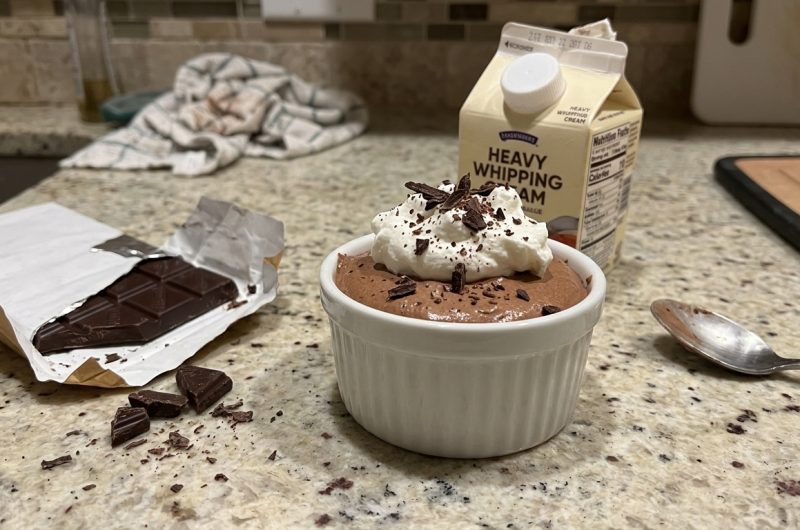
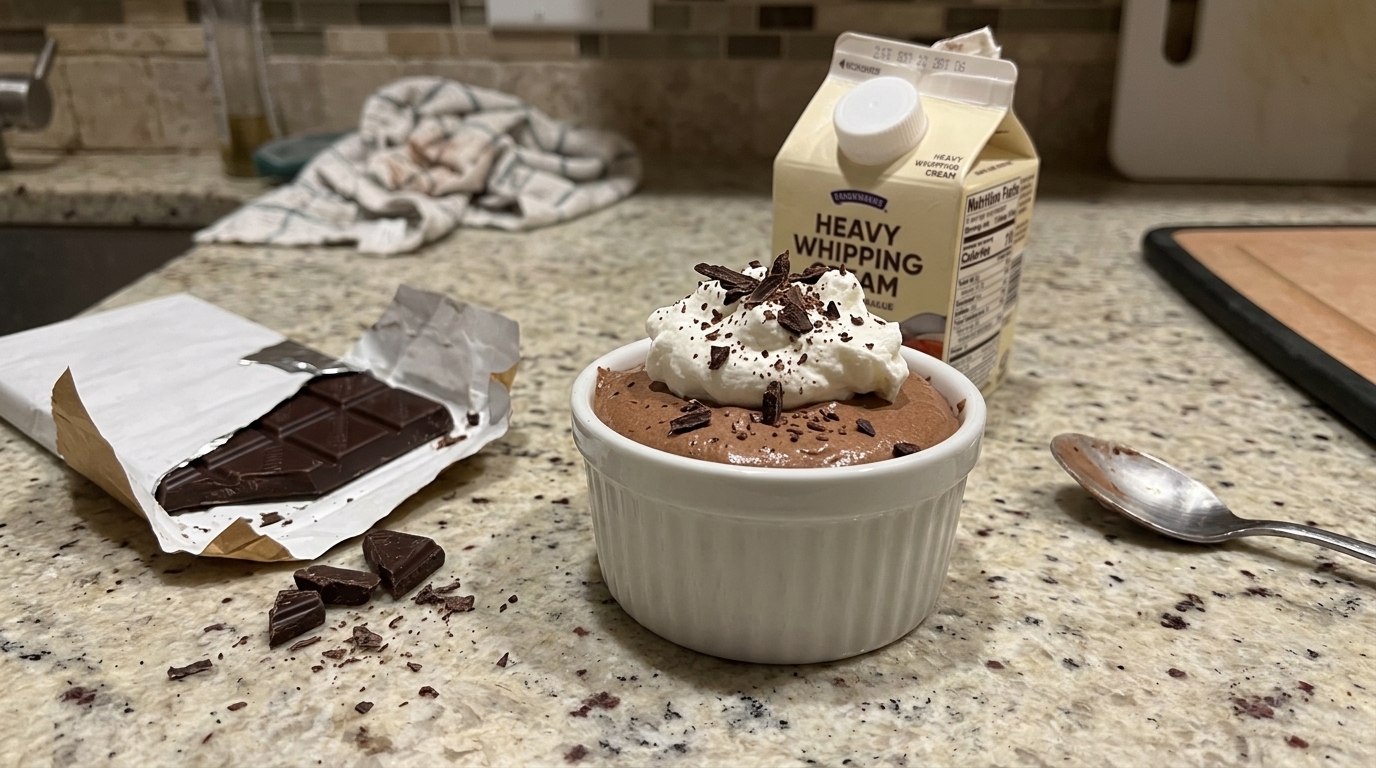
This cottage cheese mousse is best served in small bowls, ramekins, or dessert glasses. You can enjoy it on its own as a quick chocolate treat or serve it alongside fresh fruit for additional flavor and texture. If you want to prepare it ahead, place the mousse in a covered container and refrigerate it promptly. Chilling can help the dessert feel firmer and cooler, although the exact consistency depends on the ingredients and how much moisture the cottage cheese contains.
For food safety, keep the mousse refrigerated at approximately 40°F (4°C) or below and use clean utensils when serving it. Because this recipe contains dairy, avoid leaving it unrefrigerated for more than two hours, or more than one hour in temperatures above 90°F (32°C). For the best texture and freshness, making a small batch and enjoying it within a short period is a practical approach. Stir gently if the mixture separates slightly during storage.
Frequently Asked Questions
Can I make cottage cheese mousse without protein powder?
Yes. Protein powder is entirely optional in this recipe. The cottage cheese itself provides protein, so you can still enjoy a protein-containing dessert without adding a supplement. The flavor and nutritional values will differ depending on the cottage cheese and sweetener you select. Blend the remaining ingredients thoroughly, then taste the mixture and adjust the sweetness if necessary.
Will fat-free cottage cheese work?
Yes, full-fat, reduced-fat, and fat-free cottage cheese can all be used. The main difference is the final texture and richness. Full-fat cottage cheese generally produces a silkier mousse, while fat-free cottage cheese may feel less creamy. If you use a variety with excess liquid, draining it before blending can help produce a thicker dessert.
Why is my mousse watery?
A watery texture usually means the cottage cheese contains too much liquid or the mixture needs additional thickening. Try draining the cottage cheese before blending next time. If the mousse is already prepared, the original recipe suggests adding one-quarter teaspoon of xanthan gum to help improve the consistency. Blend thoroughly after adding it, following the product’s directions and avoiding unnecessary extra amounts.
Do I need to chill the mousse before eating it?
No. You can eat the mousse immediately after blending because it does not require cooking or setting with gelatin. However, refrigeration can make it feel colder and slightly firmer, which some people prefer for a dessert. If you are preparing it in advance, cover the container and refrigerate it promptly until you are ready to serve.
Can I use honey instead of a sugar-free syrup?
Yes. Honey is one of the suggested sweetener options, and a sugar-free syrup is another choice. The best option depends on your taste and dietary needs. Keep in mind that honey contains sugar and contributes calories and carbohydrates, whereas sugar-free syrups vary in their ingredients and nutritional values. These differences should be considered if you track your intake.
High-Protein Cottage Cheese Chocolate Mousse
A quick and creamy high protein cottage cheese mousse made with simple ingredients.
4
servings30
minutes237
kcal30
minutesIngredients
- Chocolate Mousse With Protein Powder
1 cup cottage cheese — full, reduced, or fat free; more fat creates a silkier mousse
1 scoop protein powder — chocolate or vanilla, optional
3 tablespoons cocoa powder — for chocolate
½ teaspoon vanilla extract
2 tablespoons sweetener — or honey/sugar-free syrup
- Vanilla Mousse Without Protein Powder
1 cup cottage cheese — full, reduced, or fat free; more fat creates a silkier mousse
2 teaspoons vanilla extract
2 tablespoons sweetener — or honey/sugar-free syrup
Lemon zest — not too much, about ½ teaspoon
- Chocolate Mousse Without Protein Powder
cup cottage cheese — full, reduced, or fat free; more fat creates a silkier mousse
4 tablespoons cocoa powder
2 tablespoons sweetener — or honey/sugar-free syrup
1 teaspoon instant coffee
Directions
- Add all of the selected ingredients to a food processor or a good-quality blender.
- Process or blend the ingredients until the mixture becomes smooth and creamy, with the cottage cheese curds completely broken down.
- Continue processing or blending for an additional 1 minute to achieve a smoother mousse texture.
- Transfer the mousse to a suitable bowl or container and cover it.
- Place the covered mousse in the refrigerator for 2–3 hours. This allows the air bubbles created during blending to settle and helps the mousse reach its peak firm texture.
Nutrition Facts
- Total number of serves: 1
- Calories: 237kcal
- Fat: 3.5g
- Carbohydrates: 19g
- Fiber: 6g
- Sugar: 9g
- Protein: 55g