Following a gluten-free diet does not mean giving up delicious homemade pizza. With the right ingredients and preparation method, you can make a gluten-free pizza crust that has a lightly crispy exterior, a soft and chewy center, and a wonderful yeast flavor. This homemade gluten-free pizza dough recipe is designed for anyone who wants to enjoy pizza night without relying on traditional wheat flour. It offers a simple approach to making a satisfying crust that pairs beautifully with tomato sauce, melted cheese, vegetables, and your favorite pizza toppings.
The secret to a good gluten-free pizza crust is choosing a suitable flour blend and giving the dough enough time to develop its flavor. Traditional pizza dough depends on gluten to provide elasticity and structure, but gluten-free ingredients behave differently. By combining gluten-free flour with yeast, warm water, olive oil, sugar, salt, and xanthan gum when needed, you can create a dough that holds together well and bakes into a delicious base. Although the texture differs slightly from conventional pizza, careful preparation can produce a crust that is enjoyable in its own right.
This recipe is suitable for homemade family dinners, weekend cooking, and casual gatherings with friends. You can use the dough to make two pizza bases, allowing everyone to choose their preferred toppings. One pizza might feature classic tomato sauce and mozzarella, while the other could include mushrooms, peppers, onions, or other favorite ingredients. Once you understand how gluten-free dough works, making fresh pizza at home becomes a straightforward and rewarding part of your regular cooking routine.
What Makes This Gluten-Free Pizza Crust Special?
A successful gluten-free pizza crust should have enough structure to hold its toppings without becoming hard, dry, or crumbly. At the same time, it should remain tender in the middle and develop a lightly browned exterior during baking. This recipe focuses on balancing those qualities through a combination of carefully measured ingredients, thorough mixing, and suitable baking techniques. The yeast adds a familiar bread-like aroma, while olive oil contributes richness and helps create a pleasant texture.
Another advantage is that the dough does not require extensive kneading. Conventional pizza dough is often kneaded to develop its gluten network, but gluten-free flour cannot form that same structure. Instead, mixing the ingredients thoroughly helps distribute moisture and yeast throughout the mixture. The resulting dough may feel softer or stickier than ordinary pizza dough, so it is important not to add excessive flour simply to make it feel more familiar.
The dough is also versatile enough for different pizza styles. You can shape it into a thin base for a crispier result or leave it slightly thicker for a softer center. Baking conditions, the thickness of the dough, and the moisture in your toppings will influence the final texture. With a properly heated oven and a short initial bake before adding toppings, you can create a crust that supports your favorite combinations without becoming soggy in the middle.
Understanding the Ingredients
Gluten-Free Flour
Gluten-free flour provides the main structure of the pizza dough. For the most consistent results, use a gluten-free flour blend intended for baking rather than assuming that every alternative flour will behave the same way. Different blends contain different combinations of rice flour, starches, and other ingredients, so they may absorb water differently. A blend designed for bread or pizza can be particularly useful because it is formulated to produce a more suitable texture.
Measure the flour carefully and follow the recipe’s proportions. Adding too much flour can make the crust dense or dry, while too little may leave the dough difficult to shape. If you are preparing pizza for someone with celiac disease, check that the flour is certified or clearly labeled gluten-free and that all other ingredients are safe for their dietary requirements.
Yeast and Sugar
Yeast helps the dough rise and contributes the familiar aroma associated with freshly baked bread. When yeast becomes active in a suitable environment, it produces carbon dioxide, which helps create air pockets throughout the dough. These pockets contribute to a lighter crust rather than one that feels completely flat or heavy. Yeast also develops flavor during the rising period, giving homemade gluten-free pizza a more traditional taste.
Sugar helps support yeast activity and contributes to browning during baking. It is important to use the amount specified in the recipe rather than adding extra sugar in an attempt to make the dough rise faster. Yeast needs suitable moisture and temperature conditions, and excessive heat can damage it. Warm water is generally preferable to hot water because it helps activate the yeast without exposing it to unnecessarily high temperatures.
Salt and Olive Oil
Salt balances the flavor of the dough and helps prevent the finished crust from tasting bland. Although pizza toppings often contain plenty of seasoning, the base itself should have a pleasant flavor. Measuring salt accurately ensures that the dough remains well balanced without overpowering the tomato sauce, cheese, or other ingredients added later.
Olive oil contributes moisture and richness, helping the baked crust feel less dry. It also improves the handling of gluten-free dough, which may otherwise be sticky or difficult to shape. A small amount of oil can help produce a more tender interior while encouraging a lightly crisp exterior. For a dependable result, measure the oil rather than estimating it, especially when preparing the recipe for the first time.
Xanthan Gum
Xanthan gum can be particularly helpful in gluten-free baking because it provides some of the binding properties that gluten normally supplies. It helps the dough hold together and reduces the likelihood of a crust that breaks apart when sliced or lifted. However, some commercial gluten-free flour blends already contain xanthan gum or another suitable binder.
Before adding extra xanthan gum, check the flour blend’s ingredient list and the original recipe instructions. Too much can make the dough overly gummy or unpleasantly elastic. If your flour already includes the necessary binder, additional xanthan gum may not be needed. Getting this detail right can make a noticeable difference in how easily the dough handles and how the finished pizza feels when eaten.
Best Toppings for Gluten-Free Pizza
Classic Cheese Pizza
A classic cheese pizza is an excellent way to enjoy the flavor and texture of the homemade crust without adding too many ingredients. Spread a moderate amount of tomato sauce over the base, cover it with mozzarella, and finish with dried oregano or fresh basil if desired. Keeping the topping combination simple allows the baked crust to remain the main feature of the meal.
Vegetable Pizza
For a colorful alternative, try bell peppers, onions, mushrooms, olives, or other vegetables you enjoy. Cut the vegetables into manageable pieces and avoid using excessive quantities, as vegetables with high moisture content can soften the base. You can also sauté particularly watery vegetables before adding them to the pizza. This small adjustment helps control moisture while bringing out their flavor.
Chicken or Other Protein Toppings
Cooked chicken, suitable deli meats, or other preferred protein toppings can turn the pizza into a more substantial meal. Make sure meat and poultry are properly cooked before adding them, unless the recipe specifically provides a safe method for cooking them on the pizza. Season the toppings lightly so they complement rather than overpower the crust, sauce, and cheese.
Tips for a Better Gluten-Free Pizza Crust
Measure Ingredients Carefully
Accurate measurements are especially important when making gluten-free pizza dough. Small changes in the flour-to-water ratio can affect whether the dough is easy to shape or becomes excessively sticky and difficult to handle. Use the specified quantities and avoid making large adjustments before giving the ingredients time to combine.
Check Your Flour Blend
Not all gluten-free flour blends behave alike. Some contain xanthan gum, while others need a separate binding ingredient. Their moisture absorption and baking performance can also vary. If you use a different blend from the one intended by the recipe, the dough’s consistency and final texture may change, so follow the manufacturer’s guidance where appropriate.
Prevent a Soggy Center
A soggy middle is one of the most common challenges when preparing gluten-free pizza. Use a properly preheated oven, complete the initial crust bake, and avoid adding too much sauce or wet toppings. If possible, use a suitable preheated pizza stone or baking steel according to its manufacturer’s instructions. These surfaces can help transfer heat efficiently to the base.
Let the Oven Preheat Fully
Putting pizza into an oven that has not reached the required temperature can produce a softer crust and uneven cooking. Allow enough time for the oven and any recommended baking surface to heat properly. Consistent heat encourages the bottom to firm up while the edges bake and the toppings melt.
Avoid Overloading the Pizza
Although generous toppings can be tempting, a gluten-free crust may struggle to support a very heavy layer. A balanced amount of sauce, cheese, and other ingredients usually gives the best result. Distributing everything evenly helps the pizza cook consistently and makes the slices easier to lift and serve.
Frequently Asked Questions
Is gluten-free pizza dough supposed to be sticky?
Yes, many gluten-free pizza doughs are softer and stickier than conventional wheat-based dough. This happens because they lack the elastic gluten network that gives traditional dough its familiar texture. The dough should still be manageable when mixed and shaped according to the recipe. Use an appropriate work surface and follow the recommended handling method rather than adding excessive flour.
Why does gluten-free pizza dough need xanthan gum?
Xanthan gum helps bind ingredients and provides some of the structure that gluten normally contributes. It can improve the dough’s ability to hold together and make the finished crust less crumbly. However, it may not be necessary if your flour blend already contains xanthan gum or another suitable binder. Always check the ingredient list before adding more.
Can I make the dough ahead of time?
The dough may be prepared in advance if the recipe’s ingredients and handling instructions support chilling or refrigeration. Yeast activity changes at lower temperatures, so the dough may require additional time to become ready for shaping after refrigeration. Follow the recipe’s storage and rising directions rather than assuming that every gluten-free dough can be refrigerated for the same length of time.
How can I make the crust crispier?
A fully preheated oven, a suitable baking surface, and the recommended initial bake can help produce a crisper base. Avoid excessive sauce and watery toppings, which can add moisture during cooking. The thickness of the dough also matters: a thinner base generally becomes crispier more quickly than a thick one, although the exact texture depends on the flour blend and baking conditions.
Is this recipe suitable for people with celiac disease?
The dough can be suitable for a gluten-free diet when every ingredient is verified gluten-free and preparation avoids cross-contact with wheat, barley, rye, and contaminated utensils or surfaces. Check flour packaging, yeast labels, and any additional toppings carefully. People with celiac disease should use ingredients and kitchen equipment that meet their dietary requirements.
Can I freeze gluten-free pizza dough?
Freezing may be possible, but the results depend on the particular flour blend and yeast formulation. If you intend to freeze the dough, follow a tested storage method for the recipe and package it securely to prevent drying. Allow frozen dough to thaw safely and follow the recommended preparation instructions before shaping and baking. Texture can vary after freezing, so testing a small batch first may be helpful.
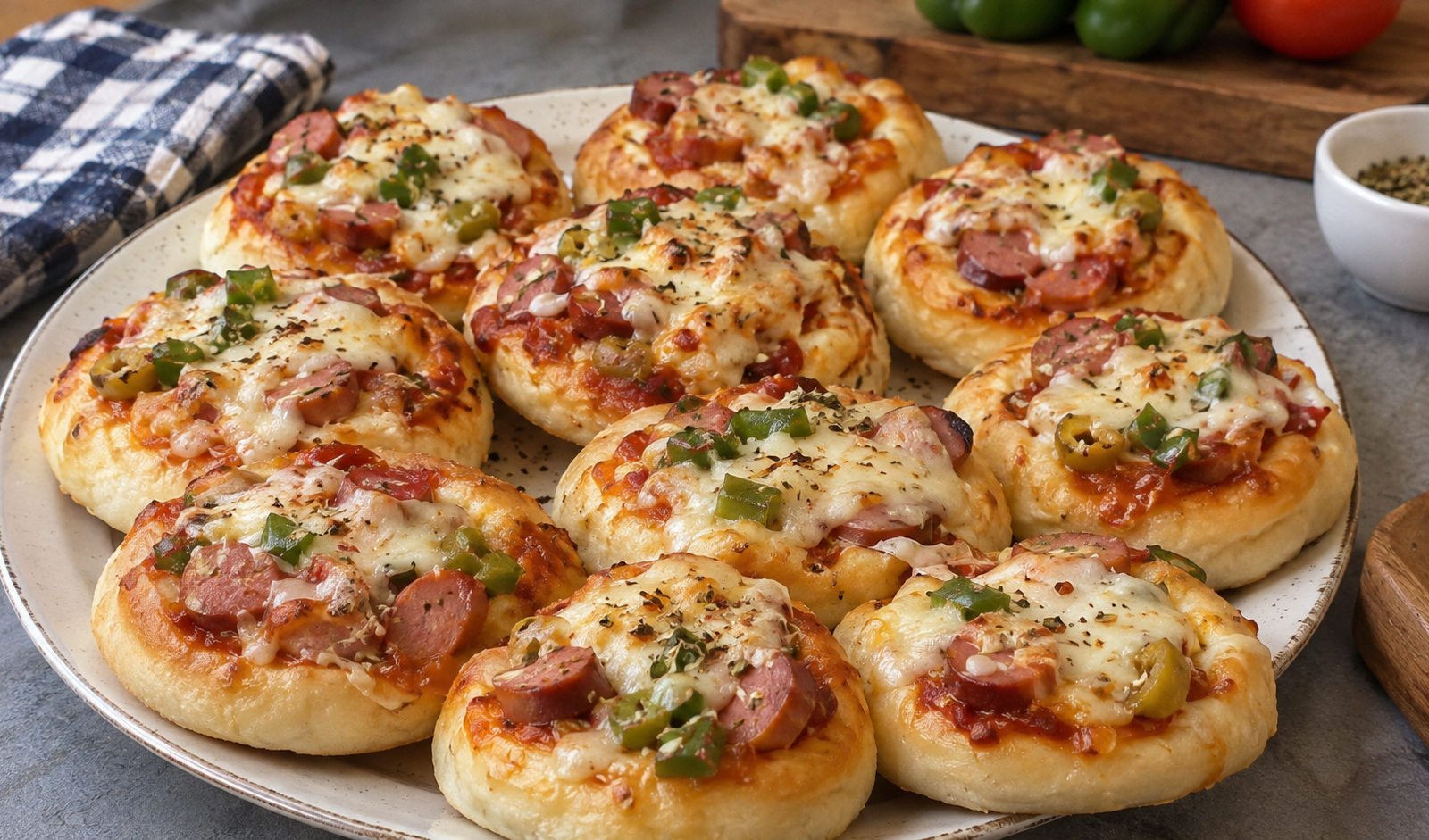
Gluten-Free Pizza Crust
A homemade gluten-free pizza crust with crisp edges and a soft, chewy center. This recipe makes two pizza crusts and can be prepared ahead for convenient homemade pizza nights.
2
servings10
minutes30
minutes305
kcal1
hour1
hour40
minutesIngredients
3 cups (420 g) all-purpose gluten-free flour blend, plus extra for sprinkling
3 teaspoons xanthan gum, omit if your flour blend already contains it
1 tablespoon (9 g) instant yeast
1½ teaspoons (6 g) granulated sugar
1½ teaspoons (9 g) kosher salt
1⅛ cups (9 ounces) warm water, approximately 95°F
4.5 tablespoons (63 g) extra-virgin olive oil, plus extra for brushing
Your favorite pizza toppings
Directions
- Combine the gluten-free flour, xanthan gum if needed, instant yeast, and sugar in a stand mixer bowl or food processor. Whisk to distribute the ingredients, then add the salt and mix again.
- Pour in the warm water and olive oil. Mix on medium speed or pulse until the ingredients begin to come together.
- Increase the mixer speed to high or process continuously for approximately three minutes, until the dough looks aerated and whipped rather than like a compact ball.
- Transfer it to a lightly oiled container, coat the surface lightly with cooking oil spray, and cover tightly. Let it rise in a warm, draft-free place until it reaches about 150% of its original volume, approximately one hour. Alternatively, refrigerate for up to three days.
- Place a pizza stone or overturned rimmed baking sheet in the oven and heat to 400°F (200°C).
- If the dough has not been refrigerated, chill it for at least 15 minutes. Place it on a lightly floured surface, gently smooth it, and divide it into two equal portions. Keep the unused portion covered.
- Shape one portion into a ball, flatten it, and press outward with floured fingers, leaving a slightly raised edge. Shape it into approximately a 10-inch round, then smooth it with a small rolling pin until it measures about 11–12 inches.
- Place the shaped dough on unbleached parchment paper over a pizza peel or suitable cutting board. Brush the surface generously, especially around the edges, with olive oil.
- Carefully transfer the dough and parchment to the preheated baking surface. Bake for 5–7 minutes, until the underside begins to crisp.
- Remove the crust carefully and spread it with your favorite pizza sauce, cheese, and toppings. For make-ahead preparation, cool the parbaked crust completely, wrap tightly, and freeze for up to one month.
- Return the topped pizza to the oven for another 5–7 minutes, until the cheese melts and the edges brown and puff.
- Remove the pizza carefully and let it rest for five minutes before slicing. Repeat with the second portion of dough.
Nutrition Facts
- Total number of serves: 1
- Calories: 305kcal
- Fat: 32g
- Carbohydrates: 171g
- Fiber: 10g
- Sugar: 3g
- Protein: 8g