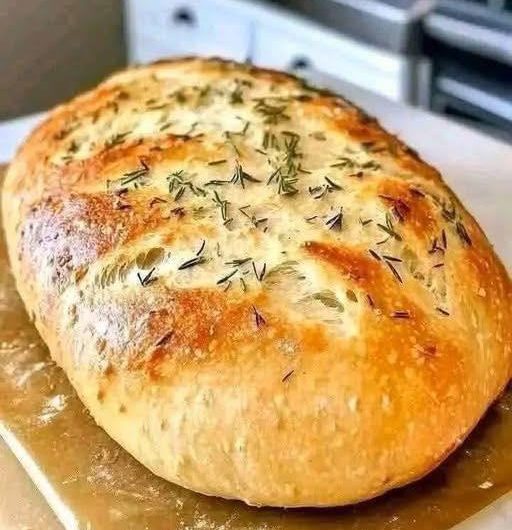
A deeply detailed, highly readable recipe for a rustic gluten-free loaf with a crisp crust, soft interior, and excellent flavor — without kneading, special shaping skills, or complicated techniques.
This recipe is designed for home bakers who want reliable results even if they are completely new to gluten-free bread baking.
Why This Recipe Works
Traditional wheat bread develops structure through gluten and kneading. Gluten-free bread cannot rely on either, so this recipe uses:
- A balanced gluten-free flour blend
- Psyllium husk for elasticity and structure
- Long hydration for better texture
- Steam and high heat for crust development
- A no-knead fermentation method for simplicity
The result is:
- Crispy crust
- Moist crumb
- Better shelf life
- Rustic artisan appearance
- Easier digestion and improved flavor from slower fermentation
Bread Characteristics
Texture:
Soft, chewy, slightly airy interior with a rustic artisan feel.
Crust:
Golden brown and crisp.
Flavor:
Mildly tangy, wheaty, and balanced.
Difficulty:
Beginner friendly.
Hands-On Time:
About 20 minutes.
Total Time:
Approximately 4 to 6 hours including rising and baking.
Equipment Needed
You do not need expensive baking tools.
Required:
- Large mixing bowl
- Wooden spoon or spatula
- Measuring cups or kitchen scale
- Dutch oven with lid OR baking stone/tray
- Parchment paper
- Clean kitchen towel
Optional but helpful:
- Banneton basket
- Silicone dough scraper
- Instant-read thermometer
Ingredients
Dry Ingredients
3 cups gluten-free flour blend (420g)
Use a high-quality blend that contains:
- Rice flour
- Potato starch
- Tapioca starch
Avoid blends with too much coconut flour because they absorb excessive moisture.
2 tablespoons whole psyllium husk (NOT powder)
This is extremely important. Psyllium creates flexibility and structure that mimics gluten.
1 1/2 teaspoons salt
1 tablespoon sugar or honey
This feeds the yeast and improves browning.
2 teaspoons instant yeast
Wet Ingredients
2 1/4 cups warm water (530ml)
Temperature should feel warm but not hot.
1 tablespoon olive oil
1 teaspoon apple cider vinegar
The vinegar slightly strengthens structure and improves flavor.
Important Ingredient Notes
About Gluten-Free Flour
Not all gluten-free flour blends behave the same way.
Good blends usually contain:
- White rice flour
- Brown rice flour
- Tapioca starch
- Potato starch
If your blend already contains xanthan gum, the recipe still works well.
If your blend does NOT contain xanthan gum, that is perfectly fine because psyllium husk provides most of the structure.
Why Psyllium Husk Matters
Psyllium is the secret to excellent gluten-free bread.
Without it:
- The loaf may collapse
- The crumb becomes gummy
- The bread may crumble after cooling
Whole psyllium husk generally performs better than psyllium powder because powders vary dramatically between brands.
Step-by-Step Instructions
Step 1 — Prepare the Dough
In a large bowl, combine:
- Gluten-free flour
- Psyllium husk
- Salt
- Sugar
- Instant yeast
Mix thoroughly until evenly distributed.
This step matters because gluten-free dough benefits from very even ingredient distribution.
Step 2 — Add the Wet Ingredients
Pour in:
- Warm water
- Olive oil
- Apple cider vinegar
Using a wooden spoon or spatula, mix thoroughly for several minutes.
At first the dough may appear:
- Too wet
- Sticky
- Thick like batter
Keep mixing.
After about 1 to 2 minutes, the psyllium absorbs water and the dough becomes:
- Thicker
- Stretchier
- More cohesive
The dough should remain wetter than traditional wheat dough.
That is correct.
Step 3 — Rest the Dough
Cover the bowl with:
- Plastic wrap
OR - A damp towel
Let the dough rest for 15 minutes.
This hydration period is critical.
During this time:
- Flour absorbs moisture
- Psyllium activates fully
- Dough becomes easier to handle
After resting, the dough should feel soft, sticky, and moldable.
Step 4 — First Rise
Keep the bowl covered.
Allow the dough to rise in a warm area for 1 1/2 to 2 hours.
Ideal room temperature:
75°F to 82°F (24°C to 28°C)
The dough should:
- Increase noticeably in volume
- Look puffier
- Show small air pockets
Do not expect dramatic doubling like wheat bread.
Gluten-free dough rises differently.
Step 5 — Shape the Dough
Place a sheet of parchment paper on the counter.
Using wet hands or lightly oiled hands:
- Gently scrape dough from bowl
- Form into a round loaf
Do NOT knead.
Simply fold edges inward a few times until roughly round.
The dough may still feel sticky. That is normal.
Step 6 — Second Rise
Place shaped dough on parchment paper.
Cover loosely with a towel.
Let rise for 30 to 45 minutes.
Meanwhile:
Preheat oven to 450°F (230°C).
If using a Dutch oven:
Place it inside the oven while preheating.
A thoroughly heated Dutch oven creates steam and dramatically improves crust quality.
Step 7 — Score the Dough
Just before baking:
Use a sharp knife or razor blade to cut a shallow slash across the top.
This helps:
- Steam escape properly
- Prevent cracking
- Create artisan appearance
One deep slash is enough.
Step 8 — Bake
Dutch Oven Method (Recommended)
Carefully remove hot Dutch oven.
Lift dough using parchment paper and place inside.
Cover with lid.
Bake:
30 minutes covered
Then remove lid and bake:
15 to 20 minutes uncovered
The crust should become:
- Deep golden brown
- Crisp
- Firm
Baking Tray Method
Place dough on preheated tray or stone.
Add steam by placing a metal pan with hot water on the lower oven rack.
Bake for:
40 to 50 minutes
Step 9 — Check for Doneness
The loaf should:
- Sound hollow when tapped
- Feel firm
- Reach about 205°F to 210°F (96°C to 99°C) internally
Undercooked gluten-free bread becomes gummy after cooling.
When in doubt:
Bake slightly longer.
Step 10 — Cool Completely
This is one of the most important steps.
Place bread on a wire rack.
Cool for at least:
2 full hours
Do NOT slice while hot.
Gluten-free bread continues setting internally during cooling.
Cutting early can ruin texture.
Expected Texture
When fully cooled, the bread should have:
- Crisp crust
- Flexible slices
- Moist but not wet crumb
- Small to medium air pockets
It should not:
- Crumble excessively
- Feel gummy
- Collapse when sliced
Storage Instructions
Room Temperature
Store wrapped in a towel or paper bag for:
2 days
Avoid sealing tightly while still warm because trapped moisture softens the crust.
Refrigerator
Not ideal because refrigeration dries gluten-free bread quickly.
Freezer
Best long-term option.
Slice first, then freeze in airtight bags.
Toast slices directly from frozen.
Common Problems and Solutions
Problem: Bread Is Gummy
Possible causes:
- Underbaked
- Too much water
- Sliced before cooling
Fix:
Bake longer and cool fully.
Problem: Bread Collapsed
Possible causes:
- Too much hydration
- Over-proofing
- Weak flour blend
Fix:
Reduce water slightly next time.
Problem: Bread Is Dense
Possible causes:
- Old yeast
- Dough too dry
- Not enough rise time
Fix:
Increase hydration slightly and allow warmer fermentation.
Problem: Crust Too Hard
Possible causes:
- Overbaking
- Insufficient hydration
Fix:
Reduce bake time by 5 minutes.
Flavor Variations
Rustic Seeded Loaf
Add:
- Sunflower seeds
- Pumpkin seeds
- Sesame seeds
Herb Bread
Add:
- Rosemary
- Thyme
- Garlic powder
Olive Bread
Fold in chopped olives after mixing.
Whole Grain Version
Replace part of flour blend with:
- Sorghum flour
- Oat flour
- Buckwheat flour
This increases flavor and nutrition.
Tips for the Best Gluten-Free Bread
- Weigh ingredients whenever possible.
- Use fresh yeast.
- Allow enough cooling time.
- Keep dough wetter than wheat dough.
- Preheat oven thoroughly.
- Use steam for better crust.
- Psyllium husk dramatically improves texture.
- Long fermentation improves flavor.
Advanced Technique for Better Flavor
For bakery-style flavor:
After mixing:
- Refrigerate dough overnight
The next day:
- Shape
- Rise
- Bake
Cold fermentation creates:
- Deeper flavor
- Better crust
- Improved texture