Rustic Garlic Herb Beef Tail Roast is a deeply flavorful, slow-cooked dish that transforms beef tail into a tender, succulent masterpiece. Long, gentle cooking allows the connective tissues to break down, creating meat that practically falls off the bone while producing a rich, savory sauce infused with garlic, herbs, vegetables, and natural beef juices. This rustic-style roast is perfect for family gatherings, special Sunday dinners, or any occasion when comfort food is desired.
The combination of garlic, rosemary, thyme, parsley, onions, and slow-roasted beef tail creates a dish that is both hearty and elegant. Served with mashed potatoes, roasted vegetables, rice, or crusty bread, it delivers incredible flavor and warmth.
Why You’ll Love This Recipe
This recipe transforms an economical cut of beef into a luxurious meal.
The slow cooking process develops rich flavor.
The herbs and garlic create a fragrant and aromatic roast.
The meat becomes exceptionally tender.
The cooking liquid turns into a delicious natural gravy.
The leftovers taste even better the next day.
The recipe is suitable for large gatherings and special occasions.
Preparation Time
Preparation Time: 30 minutes
Marinating Time: 8 to 24 hours
Cooking Time: 4½ to 5½ hours
Resting Time: 20 minutes
Total Time: Approximately 6 to 30 hours depending on marination
Servings: 6 to 8
Ingredients
For the Beef Tail
4 to 5 pounds beef tail pieces
2 tablespoons olive oil
2 teaspoons kosher salt
1 teaspoon black pepper
1 teaspoon smoked paprika
1 teaspoon onion powder
1 teaspoon garlic powder
For the Garlic Herb Marinade
12 cloves garlic, finely minced
2 tablespoons fresh rosemary, chopped
2 tablespoons fresh thyme leaves
3 tablespoons fresh parsley, chopped
1 tablespoon Dijon mustard
2 tablespoons Worcestershire sauce
2 tablespoons olive oil
1 tablespoon lemon juice
1 teaspoon black pepper
1 teaspoon sea salt
For the Roasting Base
2 large onions, sliced
3 carrots, cut into chunks
3 celery stalks, chopped
1 whole garlic bulb, halved
2 bay leaves
2 tablespoons tomato paste
2 cups beef broth
1 cup red grape juice or beef stock
For the Rustic Gravy
Reserved cooking liquid
2 tablespoons butter
2 tablespoons flour
Additional salt and pepper to taste
Understanding Beef Tail
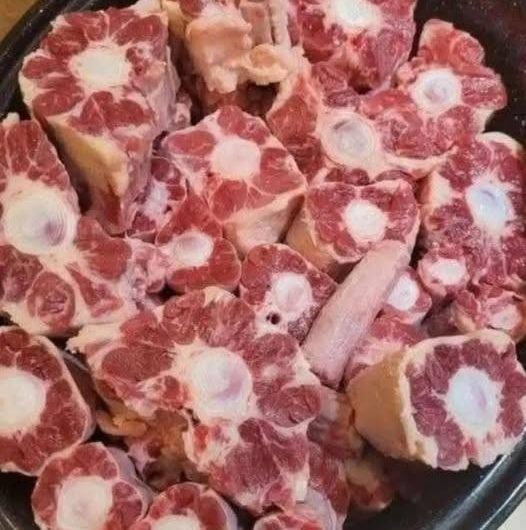
Beef tail contains bones, collagen, connective tissue, and richly flavored meat. While it may seem tough initially, slow cooking transforms it into one of the most flavorful cuts available.
As the collagen melts during cooking, it enriches the cooking liquid and creates a silky texture. This natural gelatin contributes to the luxurious mouthfeel that makes slow-cooked beef tail so beloved.
Preparing the Marinade
In a large bowl combine:
Minced garlic
Rosemary
Thyme
Parsley
Dijon mustard
Worcestershire sauce
Olive oil
Lemon juice
Salt
Black pepper
Mix thoroughly until a fragrant herb paste forms.
The mixture should have a thick consistency that easily coats the meat.
Marinating the Beef Tail
Pat the beef tail pieces dry using paper towels.
Dry meat browns more effectively.
Season with:
Salt
Black pepper
Smoked paprika
Onion powder
Garlic powder
Rub the herb marinade generously over every piece.
Massage the mixture into all surfaces.
Place the beef tail into a large container or zip-top bag.
Cover and refrigerate for at least 8 hours.
For the best flavor, marinate overnight.
The extended marination allows the herbs and garlic to penetrate the meat and enhance the final result.
Bringing the Meat to Room Temperature
Remove the beef tail from the refrigerator approximately 45 minutes before cooking.
Allowing the meat to warm slightly promotes more even cooking.
Do not leave it out longer than necessary.
Preparing the Roasting Pan
Preheat the oven to 325°F (165°C).
Choose a large Dutch oven or heavy roasting pan with a lid.
Arrange the onions, carrots, celery, and halved garlic bulb across the bottom.
Add bay leaves.
Spread tomato paste over the vegetables.
Pour in beef broth and grape juice.
These ingredients create a flavorful foundation for the roast.
As the beef cooks, the vegetables release sweetness while the broth develops into a rich sauce.
Searing the Beef Tail
Heat olive oil in a large skillet over medium-high heat.
Working in batches, brown the beef tail pieces on all sides.
Each side should develop a deep golden-brown crust.
This process takes approximately 3 to 4 minutes per side.
Do not overcrowd the pan.
Proper browning develops complex flavor through caramelization.
Transfer the browned beef tail directly onto the prepared vegetable bed.
Repeat until all pieces are browned.
Why Searing Matters
Many cooks are tempted to skip searing, but this step is essential.
The browned exterior contributes rich roasted flavor.
The caramelized surface enhances the appearance and texture.
The resulting cooking liquid becomes significantly more flavorful.
Although it requires extra time, searing dramatically improves the final dish.
Beginning the Roast
Cover the Dutch oven or roasting pan tightly with a lid.
If no lid is available, seal securely with heavy-duty aluminum foil.
Place into the preheated oven.
Roast for approximately 2½ hours without disturbing.
During this stage, the beef begins to soften while absorbing the flavors of the vegetables and herbs.
Midway Check
After 2½ hours, carefully remove the lid.
The aroma at this stage should be deeply savory and fragrant.
Turn the beef tail pieces gently.
Spoon some cooking liquid over the meat.
Check liquid levels.
If necessary, add an additional cup of warm beef broth.
Return the lid and continue roasting.
The Final Slow Cooking Stage
Continue cooking for another 2 to 3 hours.
The exact time depends on the size and thickness of the beef tail pieces.
The meat is ready when:
It is fork tender.
It easily separates from the bone.
The connective tissue has melted.
The cooking liquid appears rich and glossy.
Properly cooked beef tail should almost fall apart when touched with a fork.
Creating the Rustic Gravy
Remove the beef tail from the roasting pan.
Cover loosely with foil.
Strain the cooking liquid through a fine sieve.
Discard bay leaves and solids if desired.
For a rustic gravy, some vegetables may be blended into the liquid.
Melt butter in a saucepan.
Whisk in flour.
Cook for 2 minutes until lightly golden.
Gradually add the strained cooking liquid while whisking continuously.
Simmer for 10 to 15 minutes.
The gravy should thicken naturally.
Season with additional salt and pepper if needed.
The resulting sauce should be silky, rich, and deeply flavorful.
Resting the Meat
Allow the beef tail to rest for 20 minutes before serving.
Resting helps redistribute juices throughout the meat.
This step ensures maximum tenderness and flavor.
Serving Suggestions
Rustic Garlic Herb Beef Tail Roast pairs beautifully with many side dishes.
Consider serving it with:
Creamy mashed potatoes
Butter-roasted baby potatoes
Parmesan polenta
Steamed rice
Freshly baked bread
Roasted root vegetables
Garlic green beans
Butter-glazed carrots
Creamy cauliflower puree
The rich gravy complements all of these accompaniments perfectly.
Rustic Mashed Potatoes
For an especially comforting meal, serve alongside rustic mashed potatoes.
Boil Yukon Gold potatoes until tender.
Mash with butter, cream, roasted garlic, salt, and black pepper.
The creamy texture contrasts beautifully with the tender beef tail.
Roasted Vegetable Accompaniment
Root vegetables make an excellent pairing.
Roast carrots, parsnips, sweet potatoes, and onions until caramelized.
The natural sweetness balances the savory richness of the beef.
Storing Leftovers
Allow leftovers to cool completely.
Store in airtight containers.
Refrigerate for up to 4 days.
The flavor often improves after a day as the ingredients continue to meld together.
Freezing Instructions
Place cooled beef tail and gravy into freezer-safe containers.
Freeze for up to 3 months.
Thaw overnight in the refrigerator before reheating.
Reheating
For best results, reheat gently.
Place beef tail and gravy in a covered baking dish.
Heat at 300°F (150°C) until warmed through.
Avoid high temperatures that may dry out the meat.
Flavor Variations
Red Wine Version
Replace grape juice with dry red wine.
The wine adds depth and complexity.
Mushroom Herb Roast
Add sliced mushrooms during roasting.
They contribute an earthy richness.
Garlic Lover’s Version
Double the garlic quantity.
Roast additional garlic bulbs for serving.
Spicy Rustic Roast
Add crushed red pepper flakes and cayenne pepper.
This variation introduces gentle heat.
Mediterranean Style
Add olives, oregano, and sun-dried tomatoes.
These ingredients create a distinctive Mediterranean flavor profile.
Common Mistakes to Avoid
Skipping the marination stage.
Not browning the meat.
Cooking at too high a temperature.
Allowing the roasting liquid to evaporate completely.
Serving before the meat becomes fully tender.
Rushing the resting period.
Using insufficient seasoning.
Each of these mistakes can reduce the final quality of the dish.
Chef’s Tips for Success
Use fresh herbs whenever possible.
Allow adequate marinating time.
Sear thoroughly for maximum flavor.
Cook low and slow.
Monitor liquid levels during roasting.
Rest the meat before serving.
Taste and adjust seasoning before serving.
Make the dish a day ahead if possible for even better flavor.