Introduction
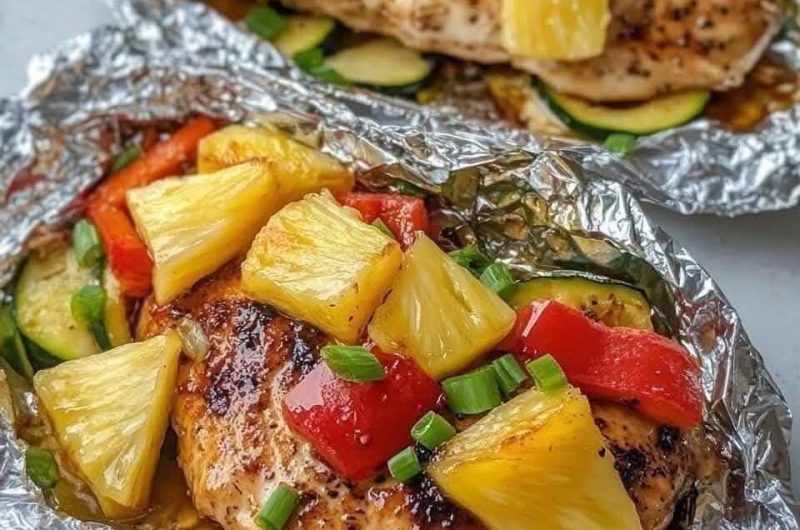
Teriyaki Pineapple Chicken is a dish built on contrast and balance. The saltiness of soy sauce, the sweetness of sugar and pineapple, the sharpness of ginger, and the richness of cooked chicken all come together into a glossy, deeply flavorful glaze.
This extended version is designed not just to tell you what to do, but to explain why each step matters, so you can consistently achieve excellent results.
Ingredient Breakdown and Purpose
Chicken Selection
You may use:
- Boneless chicken thighs (recommended)
- Boneless chicken breast (leaner option)
Why thighs are better:
Chicken thighs contain more fat, which keeps them moist during cooking and allows them to absorb sauce more effectively. Breast meat cooks faster but can become dry if overcooked.
Pineapple
- Fresh pineapple gives the best flavor and slight acidity
- Canned pineapple works if properly drained
Important note:
Pineapple contains natural enzymes that can soften meat. In this recipe, it mainly contributes sweetness and a slight tang.
Sauce Components Explained
- Soy sauce: Provides salt and umami depth
- Brown sugar: Adds sweetness and caramel notes
- Honey: Gives a smooth, rounded sweetness and helps with glaze texture
- Vinegar: Balances sweetness with acidity
- Ginger: Adds warmth and freshness
- Garlic: Provides strong aromatic base
- Sesame oil: Adds a nutty finish
- Cornstarch slurry: Thickens the sauce into a glossy coating
Full Ingredients List
For the Chicken
- 600 to 700 grams boneless chicken, cut into even bite-sized pieces
- 1 teaspoon salt
- ½ teaspoon black pepper
- 2 tablespoons cornstarch
- 2 tablespoons neutral oil
For the Pineapple
- 2 cups pineapple chunks
- 1 tablespoon butter (optional but recommended)
For the Sauce
- ½ cup soy sauce
- ⅓ cup brown sugar
- 2 tablespoons honey
- 1 tablespoon vinegar
- 1 teaspoon sesame oil
- 3 cloves garlic, finely minced
- 1 tablespoon fresh ginger, grated
- ½ cup water
Cornstarch slurry:
- 1 tablespoon cornstarch
- 2 tablespoons water
Preparation Phase
Step 1: Cutting the Chicken Properly
Cut chicken into evenly sized pieces. Uneven sizes lead to uneven cooking, where smaller pieces dry out while larger ones remain undercooked.
Pat the chicken dry with a paper towel before seasoning. Removing excess moisture helps achieve better browning.
Step 2: Coating the Chicken
Place chicken in a bowl and add salt, pepper, and cornstarch.
Mix thoroughly until each piece is lightly coated.
Why this matters:
- Cornstarch forms a thin coating that crisps slightly when cooked
- It also helps the sauce cling better later
Cooking Phase
Step 3: Cooking the Chicken
Heat oil in a wide pan over medium-high heat.
Place chicken in a single layer. Do not overcrowd the pan.
Let the chicken cook undisturbed for several minutes before turning.
What to look for:
- Golden brown surface
- Slight crispness on edges
Cook until fully done, then remove from the pan.
Step 4: Pineapple Caramelization
In the same pan, add butter if using.
Add pineapple pieces and cook until lightly golden.
Why this step is important:
Caramelizing pineapple intensifies sweetness and adds complexity. Raw pineapple tastes brighter, but cooked pineapple becomes deeper and richer.
Remove pineapple or keep it aside in the pan depending on space.
Sauce Preparation
Step 5: Building the Sauce Base
Combine soy sauce, brown sugar, honey, vinegar, sesame oil, garlic, ginger, and water.
Pour into the pan.
Allow the mixture to heat and begin simmering.
At this stage:
- Sugar dissolves
- Garlic and ginger release aroma
- Liquid begins reducing slightly
Step 6: Thickening the Sauce
Stir the cornstarch slurry again before adding (it settles quickly).
Pour into the simmering sauce while stirring continuously.
Within a minute or two, the sauce will thicken.
Correct consistency:
- Thick enough to coat the back of a spoon
- Glossy and smooth
- Not overly sticky or overly runny
Final Assembly
Step 7: Combining All Components
Return the cooked chicken to the pan.
Add the pineapple.
Gently toss everything together so the sauce coats all pieces evenly.
Allow it to cook for an additional 2 to 3 minutes.
Purpose of this step:
- The chicken absorbs flavor from the sauce
- The sauce further thickens and clings better
Serving and Pairing
Serve immediately while hot.
Best served with:
- Steamed white rice
- Egg fried rice
- Stir-fried noodles
- Lightly sautéed vegetables
The sauce should lightly pool at the base but still cling to the chicken.
Texture and Flavor Expectations
When done correctly:
- Chicken is tender and juicy inside
- Exterior has slight firmness from searing
- Sauce is glossy and coats evenly
- Pineapple is soft but not mushy
- Flavor is balanced between sweet, salty, and tangy
Common Mistakes and How to Avoid Them
Overcrowding the Pan
Leads to steaming instead of browning. Always cook in batches if needed.
Adding Slurry Too Early
The sauce must be hot before adding slurry, or it will not thicken properly.
Overcooking Chicken
Especially important if using breast meat. Remove as soon as cooked.
Too Thick Sauce
If the sauce becomes too thick, add a small amount of water and stir.
Advanced Tips
For Deeper Flavor
Let the sauce reduce slightly before thickening.
For Restaurant-Style Finish
Add a very small amount of extra sesame oil at the end.
For Balanced Sweetness
Taste before thickening and adjust sugar or vinegar accordingly.
Storage Instructions
Refrigerate in an airtight container for up to 3 days.
Reheat gently with a small amount of water to loosen the sauce.
Freezing is possible, but pineapple texture may degrade slightly.
Final Note
This dish rewards attention to detail. Each step—from drying the chicken to thickening the sauce—contributes to the final result. When done properly, it delivers a rich, glossy, well-balanced meal that feels both comforting and refined.