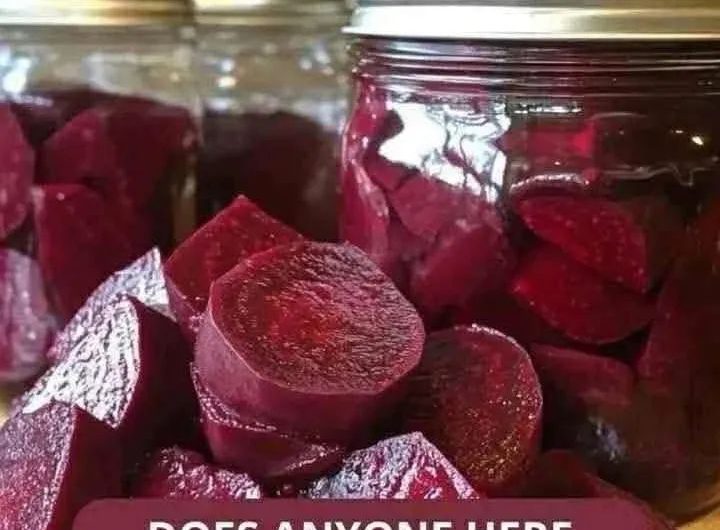
A complete, slow-crafted method for maximum taste and balance
Overview
Pickled beets are a balance of contrasts:
- Sweetness from natural sugars and added sugar
- Tanginess from vinegar
- Earthiness from the beets themselves
- Warmth from spices
A great recipe ensures that none of these overpower the others. Instead, they should blend into a smooth, layered flavor that becomes richer over time.
This method focuses on:
- Proper beet preparation
- Layered pickling liquid
- Controlled infusion
- Flavor development during resting
Ingredient Selection (Important for Best Results)
Choosing the Beets
Select beets that are:
- Firm and heavy for their size
- Smooth-skinned, without wrinkles
- Medium-sized (large beets can be fibrous)
Fresh beets will give:
- Better texture
- More natural sweetness
- Stronger color
Ingredients
Main Ingredient
- 1.5 to 2 kilograms fresh beets
For Boiling
- Enough water to fully cover beets
- 1 tablespoon salt
Pickling Liquid Base
- 2 cups white vinegar
- 1 cup apple cider vinegar
- 1.5 cups granulated sugar
- 1/2 cup brown sugar
- 1 tablespoon salt
- 1 cup water
Whole Spices (Core Flavor Structure)
- 1 cinnamon stick
- 6 whole cloves
- 1 teaspoon black peppercorns
- 1 teaspoon mustard seeds
- 1 teaspoon coriander seeds
- 2 bay leaves
Aromatic Enhancers (Optional but Strongly Recommended)
- 1 small onion, thinly sliced
- 3 to 4 garlic cloves, crushed
- 1 small piece fresh ginger, sliced
- 1 strip orange peel
- 1/2 teaspoon chili flakes
Step 1: Cleaning and Preparing the Beets
Start by rinsing the beets under running water. Use your hands or a soft brush to remove all traces of soil.
Do not peel them yet.
Keep a small portion of the stem attached and do not cut the root completely off. This helps preserve:
- Color
- Nutrients
- Flavor
Step 2: Cooking the Beets Properly
Place the cleaned beets into a large pot.
Add enough water to completely cover them.
Add salt to the water. This lightly seasons the beets from within.
Bring the pot to a boil over medium-high heat.
Once boiling, reduce to a steady simmer.
Let the beets cook for 35 to 50 minutes.
Check doneness by inserting a knife:
- It should slide in easily
- There should be no hard resistance
Avoid overcooking, as this can make the beets too soft and less able to hold their shape during pickling.
Step 3: Cooling and Peeling
Drain the cooked beets.
Allow them to cool naturally until they are comfortable to handle.
Once cooled:
- Rub the skins off gently using your hands or a cloth
- The skins should slide off easily
Trim off the stem and root ends.
Step 4: Cutting the Beets
Slice the beets into your preferred shape:
- Rounds for a classic look
- Wedges for a rustic style
- Cubes for easy serving
Keep pieces uniform in size to ensure even absorption of the pickling liquid.
Step 5: Building the Pickling Liquid
In a large saucepan, combine:
- White vinegar
- Apple cider vinegar
- Water
- Granulated sugar
- Brown sugar
- Salt
Heat gently and stir continuously until all the sugar dissolves.
This is an important step. Undissolved sugar will affect the texture and balance of the final product.
Step 6: Adding Spices and Aromatics
Once the sugar is fully dissolved, add:
- Cinnamon stick
- Cloves
- Peppercorns
- Mustard seeds
- Coriander seeds
- Bay leaves
Then add optional aromatics:
- Onion
- Garlic
- Ginger
- Orange peel
- Chili flakes
Bring the mixture to a gentle boil.
Then reduce the heat and let it simmer for 10 to 15 minutes.
During this time:
- The liquid becomes aromatic
- The spices release essential oils
- The sharpness of vinegar slightly softens
Step 7: Infusing the Beets
Add the sliced beets into the simmering liquid.
Stir gently to coat all pieces evenly.
Let everything simmer together on low heat for about 10 minutes.
This step is essential because:
- The beets absorb flavor internally
- The texture becomes more cohesive
- The final taste becomes more balanced
Step 8: Tasting and Adjusting
Carefully taste the liquid.
You are aiming for a balance between:
- Sweetness
- Tanginess
- Saltiness
- Spice
Adjust if needed:
- Too sharp: add a little more sugar
- Too sweet: add a splash of vinegar
- Too flat: add a pinch of salt
Small adjustments make a big difference.
Step 9: Preparing the Jars
Sterilize your jars and lids.
You can do this by:
- Boiling them in water for 10 minutes
- Or heating them in a low oven
Proper sterilization helps:
- Preserve flavor
- Prevent spoilage
Step 10: Filling the Jars
Using a spoon, place the beets into the jars.
Do not pack them too tightly.
Pour the hot pickling liquid over the beets until fully covered.
Make sure each jar receives:
- Some whole spices
- Some onion and aromatics
Remove air bubbles by gently tapping the jars.
Leave a small space at the top.
Seal the jars tightly.
Step 11: Cooling Process
Allow the jars to cool slowly at room temperature.
Do not rush this step.
Gradual cooling helps the flavors settle and develop properly.
Step 12: Maturation Time
Place the cooled jars in the refrigerator.
Although edible after 24 hours, the flavor improves significantly over time.
Recommended timeline:
- 2 days: lightly pickled
- 5 days: balanced flavor
- 7 days: fully developed
Storage Guidelines
- Refrigerated: up to 2 months
- Properly canned: up to 1 year
Always ensure:
- Beets remain submerged
- Jars are sealed properly
Understanding the Flavor Balance
This recipe works because it balances:
White vinegar
gives sharp, clean acidity
Apple cider vinegar
adds mild sweetness and depth
Granulated sugar
provides straightforward sweetness
Brown sugar
adds richness and slight caramel notes
Spices
create warmth and complexity
Aromatics
bring freshness and layered fragrance
Variations
You can customize the recipe depending on your taste:
For sweeter beets
Increase brown sugar slightly
For more tang
Increase vinegar
For spicier flavor
Add more chili flakes or fresh chili
For citrus brightness
Add more orange peel
For deeper warmth
Increase cloves and cinnamon
Serving Ideas
Pickled beets pair well with many foods.
They can be served:
- Alongside roasted meats
- In fresh salads
- With soft cheeses
- Mixed into yogurt
- With eggs or sandwiches
They provide contrast, color, and acidity that enhances many dishes.